Lake Mead, a reservoir on the Colorado River in the southwestern United States, is a critical source of water and hydroelectric power for millions of people in Nevada, Arizona, and California. Unfortunately, due to overuse, drought, and climate change, Lake Mead has experienced a significant decline in water levels in recent years. This decline in water levels has led to questions about the impact of rain on the reservoir.
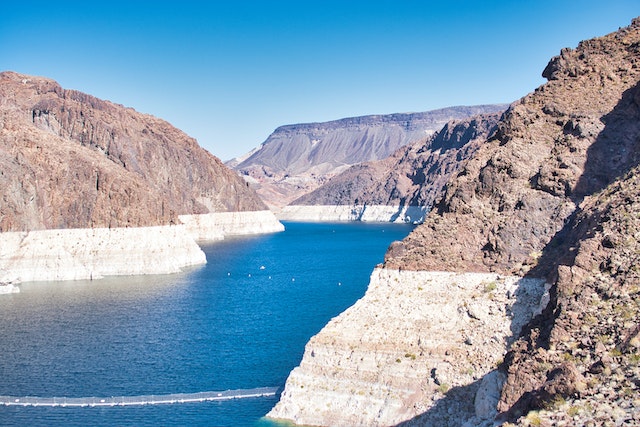
Rain is helpful for Lake Mead because it increases the flow of water into the reservoir. However, the impact of rain on Lake Mead depends on various factors, such as the amount, timing, and location of rain. Even with some above-average rainfall events in recent years, the water levels in Lake Mead remain critically low. Therefore, it is essential to understand the factors affecting Lake Mead’s water levels and the impact of rain on the reservoir.
The Colorado River Basin is one of the most critical water sources in the western United States, providing water to over 40 million people and supporting agriculture and electricity production. The basin includes seven states: Colorado, Wyoming, Utah, New Mexico, Nevada, Arizona, and California. Unfortunately, the region has experienced a prolonged drought, leading to a decrease in water levels in Lake Mead.
The amount of rain is an essential factor in determining its impact on Lake Mead. More rain is generally better for the reservoir because it increases the amount of water flowing into it. However, even a significant amount of rain may not be enough to replenish the reservoir fully. Currently, Lake Mead is at approximately 40% of its capacity, and it would take years of above-average rainfall to fill it.
Timing is also critical. If rain falls during the monsoon season from July to September, it can have a significant impact on the reservoir. Monsoon rains can cause flash floods, which can rapidly increase the flow of water into Lake Mead. However, if the rain falls outside of the monsoon season, it may not have as much of an impact on the reservoir.
Lastly, the location of the rain is essential. The Colorado River Basin covers a large area, and rain falling in one area may not necessarily impact the reservoir. For example, if it rains heavily in Colorado but not in the areas that feed into the Colorado River, it may not have a significant impact on Lake Mead.
While some above-average rainfall events in recent years have increased the flow of water into Lake Mead, the water levels in the reservoir remain critically low. In 2019, the Upper Colorado River Basin experienced above-average snowpack, which led to increased flows into Lake Powell, which feeds into Lake Mead. This helped increase the water levels in the reservoir slightly. Additionally, in 2021, monsoon rains in the region led to flash floods, which increased the flow of water into the reservoir.
However, these rain events are not enough to fully address the underlying issues of overuse, drought, and climate change that have led to the decline in water levels in Lake Mead. Even with rain, the water levels in Lake Mead have reached their lowest level since it was first filled in the 1930s. The long-term trend of decreasing water levels in the reservoir is a significant concern.
In conclusion, while rain can help increase the flow of water into Lake Mead, it is not enough to fully address the underlying issues affecting the reservoir’s water levels. The decline in water levels in Lake Mead is a result of a combination of factors, including overuse, drought, and climate change. Therefore, a comprehensive approach that addresses these issues is necessary to ensure the continued availability of water and hydroelectric power from Lake Mead.