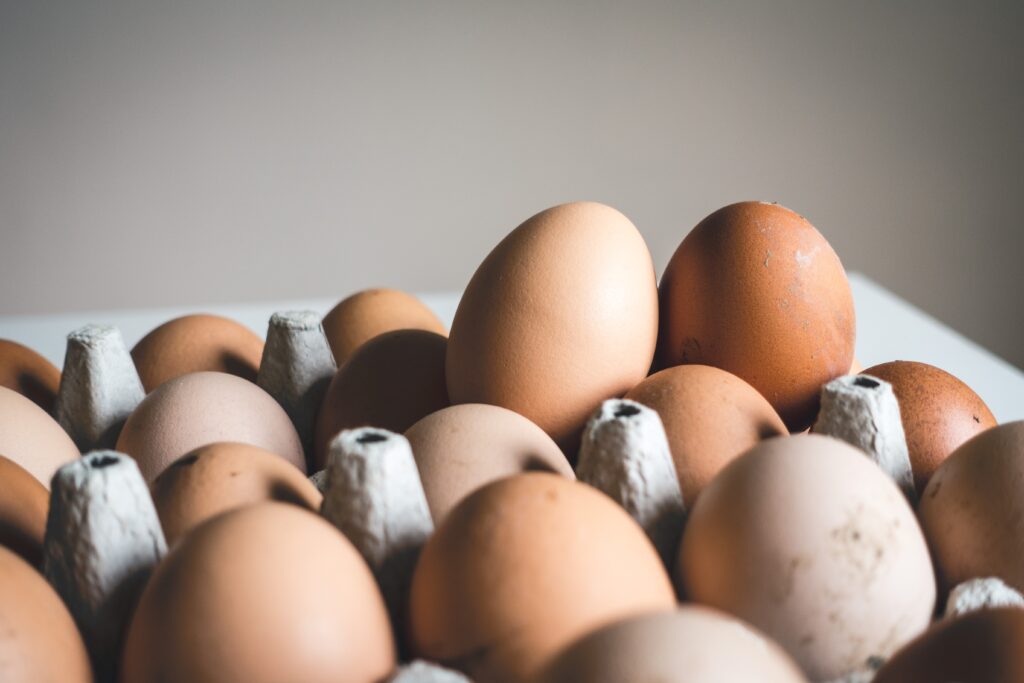
Eggs are a commonly consumed food around the world and are known for their nutritional benefits. They are packed with protein, vitamins, minerals, and antioxidants, making them a valuable addition to a balanced diet. However, while eggs are often associated with iron, they do not contain high levels of this mineral.
Iron is a crucial mineral that plays a vital role in the body’s functions, including the production of red blood cells and the transport of oxygen throughout the body. It is also essential for the immune system, brain development, and energy metabolism.
Iron deficiency anemia is a widespread condition, affecting over 1.6 billion people worldwide. This condition is caused by inadequate iron intake or absorption, and it is particularly common in developing countries where diets may be lacking in iron-rich foods, or where infections or parasites may hinder iron absorption.
Although eggs do not contain high levels of iron compared to other foods, they do contain a small amount of this mineral. According to the United States Department of Agriculture (USDA) Nutrient Database, a large egg contains about 0.9 milligrams (mg) of iron, which is about 5% of the daily recommended intake for adults.
While this amount may seem insignificant, it is worth noting that every bit counts when it comes to meeting daily nutrient needs. Furthermore, animal sources of iron, such as eggs, are easier for the body to absorb than plant-based iron sources. Thus, even a small amount of iron from eggs can be beneficial for individuals looking to increase their iron intake.
It is also important to recognize that the iron content of eggs can vary depending on factors such as the hen’s diet and the cooking method used. For instance, eggs from hens that are fed a diet high in iron may contain more of this mineral. Similarly, cooking methods that increase the iron content of eggs include boiling, poaching, or frying in an iron skillet.
Aside from their iron content, eggs also contain other nutrients that can support healthy iron levels in the body. For example, eggs are rich in vitamin C, which enhances iron absorption. Combining eggs with vitamin C-rich foods such as citrus fruits or bell peppers can help the body absorb more iron from the diet.
Eggs also contain vitamin B12, another essential nutrient for red blood cell production and energy metabolism. Vitamin B12 deficiency is commonly linked to anemia, making eggs a valuable food for individuals looking to boost their iron and B12 levels.
Although eggs do not contain high levels of iron, they are a nutrient-dense food that can be incorporated into a healthy diet in many ways. In addition to being a popular breakfast food, eggs can be used in various recipes, including omelets, frittatas, quiches, and egg salads.
To increase the iron content of eggs, individuals can consider cooking them in an iron skillet or pairing them with vitamin C-rich foods. Including other iron-rich foods in meals, such as leafy greens, lean meats, and legumes, can also boost iron intake.
It is crucial to note that certain groups, such as pregnant women, young children, and individuals with celiac disease or inflammatory bowel disease, may be more vulnerable to iron deficiency anemia and may need to pay extra attention to their iron intake.
In conclusion, while eggs do not contain high levels of iron, they still provide a small amount of this essential mineral. Combining eggs with other iron-rich foods and incorporating them into a balanced diet can support healthy iron levels in the body. As with any nutrient, it is vital to consume a variety of foods to ensure adequate nutrient intake.