Eyes are one of the most striking features of a person’s face, and their color is often considered to be an essential part of their overall appearance. It is commonly believed that the color of the eyes remains the same throughout a person’s life. However, recent scientific studies have shown that in some cases, the color of the eyes may change with age. In this article, we will discuss the factors that may influence the color of the eyes and explore how and why eye color may change over time.
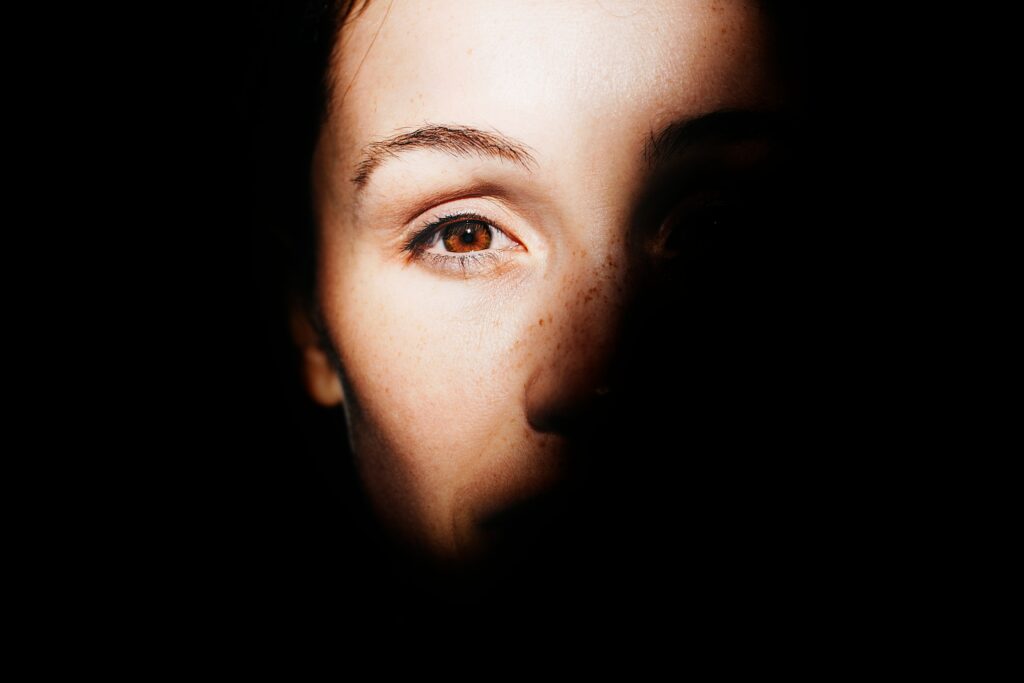
First and foremost, it is important to understand the biological basis of eye color. Eye color is determined by the amount and type of pigments present in the iris, which is the colored part of the eye. The two most common pigments that determine eye color are melanin and lipochrome. Melanin is responsible for brown, black, and hazel eyes, while lipochrome is responsible for blue and green eyes.
Now, let us discuss the factors that can influence the color of the eyes. The most significant factor is genetics. Eye color is primarily determined by the genes inherited from parents. The genes that determine eye color are called polygenic, which means that they are controlled by more than one gene. As a result, eye color can vary within a family, even among siblings. However, genetics alone cannot explain all the variations in eye color.
Another factor that can affect eye color is sunlight exposure. Exposure to sunlight can stimulate the production of melanin in the iris, causing it to become darker. This is why people living in areas with a lot of sunlight exposure, such as the tropics, tend to have darker eyes. Conversely, people living in areas with less sunlight exposure, such as the northern regions, tend to have lighter eyes.
Apart from genetics and sunlight exposure, there are other factors that can influence eye color. These factors include age, health conditions, and medication. In some cases, the color of the eyes may change due to the accumulation of pigment in the iris. This can occur as a natural part of the aging process or as a result of certain health conditions or medication use.
One of the most common ways that eye color can change with age is through the natural process of aging. As a person ages, the pigments in the iris can change, causing the eyes to become lighter or darker. This process is gradual and can take several years to occur. In some cases, the eyes may become lighter or brighter, giving them a more youthful appearance.
Apart from the natural aging process, eye color can also change due to certain health conditions or medication use. For example, people with diabetes may experience changes in eye color due to high blood sugar levels, which can damage the cells that produce pigments in the iris. Similarly, people taking certain medications, such as prostaglandin analogues used to treat glaucoma, may experience changes in eye color as a side effect.
In conclusion, while it is commonly believed that eye color remains the same throughout a person’s life, recent scientific studies have shown that the color of the eyes can change with age. This change can occur due to a variety of factors, including genetics, sunlight exposure, health conditions, and medication use. While the change in eye color may not be drastic, it can still be noticeable and contribute to a person’s overall appearance. Ultimately, the color of the eyes is just one aspect of a person’s unique features, and what truly matters is the person behind the eyes