Yes, eyes do grow with age, but the growth is typically completed by the time a person reaches their late teenage years. The eyes grow along with the rest of the body, and changes in the size and shape of the eye can occur throughout childhood and adolescence.
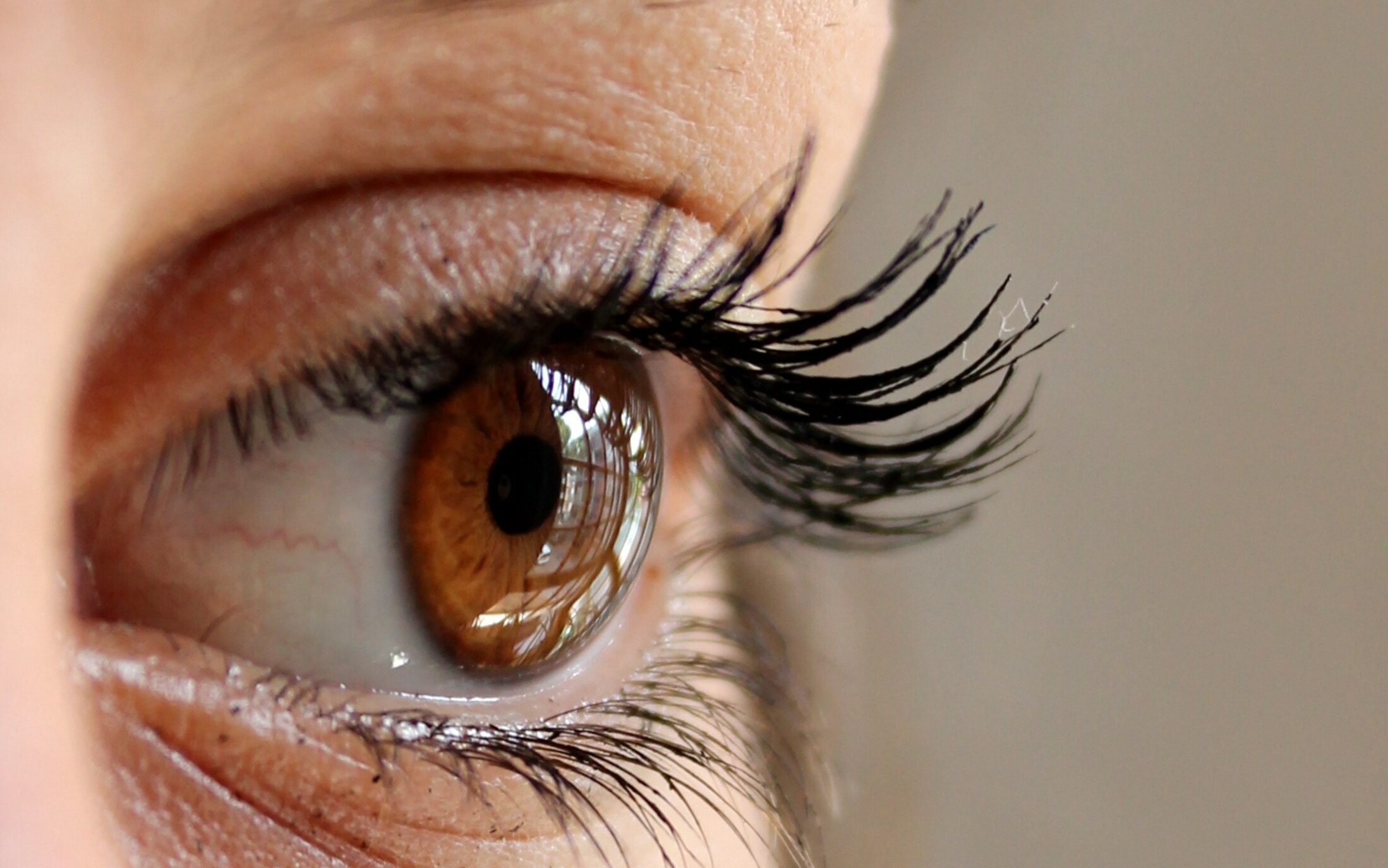
The eyes are complex organs that consist of several different parts, including the cornea, iris, lens, and retina. These parts work together to allow us to see and interpret the world around us. The size and shape of these parts can change as we age, which can affect our vision and overall eye health.
One of the most significant changes that occurs in the eyes with age is a natural loss of elasticity in the lens. This can lead to a condition called presbyopia, which is a common age-related vision problem that makes it harder to focus on close objects. As the lens becomes less flexible, it becomes harder to change its shape to focus on objects at varying distances.
Another common age-related change that can affect the eyes is a reduction in the amount of light that reaches the retina. This can occur as the lens becomes more cloudy or yellowed with age, or as the pupils become smaller and less responsive to changes in light.
Other changes that can occur in the eyes with age include a decrease in tear production, which can lead to dry eye syndrome, and an increased risk of developing certain eye conditions, such as cataracts, glaucoma, and age-related macular degeneration.
While the growth of the eyes is generally completed by the time a person reaches their late teenage years, the eyes can continue to change throughout adulthood. Regular eye exams are important for detecting and addressing any age-related changes or conditions that may affect vision and eye health.