Proposition 65, also known as the Safe Drinking Water and Toxic Enforcement Act of 1986, is a California law that requires businesses to provide a warning to consumers if a product contains chemicals known to the state to cause cancer, birth defects, or other reproductive harm. This law applies to a wide range of products, including furniture.
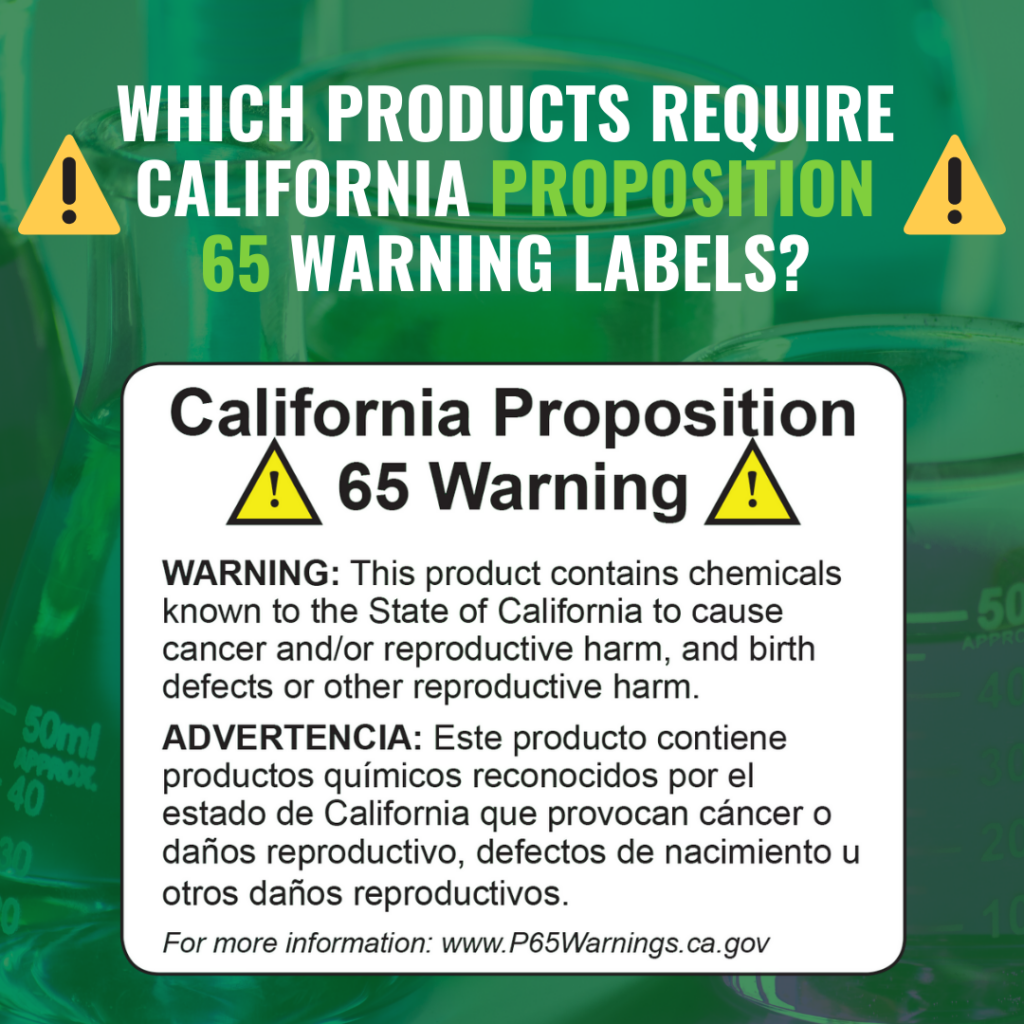
So, do you need to worry about Prop 65 warnings when it comes to furniture? The answer is: it depends.
First, it’s important to note that the presence of a Prop 65 warning does not necessarily mean that a product is dangerous or unsafe. The law requires warnings for even very low levels of chemicals that have been identified as potentially harmful. In some cases, the amount of a chemical in a product may be so small that it poses no real risk to consumers.
However, there are some chemicals commonly used in furniture that have been identified as potentially harmful and are subject to Prop 65 warnings. These include flame retardants, formaldehyde, and certain heavy metals.
Flame retardants are chemicals that are added to furniture to reduce the risk of fire. However, some flame retardants have been linked to health problems, including cancer and reproductive issues. In 2013, California amended its flammability standards for upholstered furniture to allow for the use of flame retardants that are less toxic. However, many furniture manufacturers continue to use older, more toxic flame retardants in their products.
Formaldehyde is a chemical used in the manufacture of many types of furniture, including pressed-wood products, such as particleboard and plywood. Formaldehyde can off-gas, meaning it can be released into the air over time, potentially causing health problems. Exposure to formaldehyde has been linked to cancer, respiratory problems, and skin irritation. However, there are ways to reduce formaldehyde emissions from furniture, such as using low-emission or no-added-formaldehyde (NAF) products.
Certain heavy metals, such as lead and cadmium, are also subject to Prop 65 warnings. These metals can be found in some types of furniture, such as painted or glazed pieces, and can be harmful if ingested or inhaled. However, it’s worth noting that these metals are typically only found in trace amounts in furniture, and the risk of harm is relatively low.
So, what should you do if you see a Prop 65 warning on a piece of furniture? First, don’t panic. Remember that the presence of a warning does not necessarily mean that the product is dangerous or unsafe. However, it’s a good idea to do some research to understand the potential risks and to make an informed decision about whether or not to purchase the product.
One option is to look for furniture that is labeled as meeting certain standards or certifications, such as the Global Organic Textile Standard (GOTS) or the Forest Stewardship Council (FSC). These labels indicate that the product has been independently verified as meeting certain environmental and health standards.
Another option is to look for furniture made from natural or organic materials, such as solid wood or natural fibers. These materials are less likely to contain harmful chemicals than synthetic materials.
Finally, if you are concerned about the potential risks associated with a particular piece of furniture, you can contact the manufacturer to ask about their use of chemicals and any steps they have taken to reduce emissions. Some manufacturers may be able to provide detailed information about the materials and processes used in their products.
In conclusion, while there are some chemicals commonly used in furniture that are subject to Prop 65 warnings, the presence of a warning does not necessarily mean that a product is dangerous or unsafe. However, it’s important to be aware of the potential risks and to make an informed decision about whether or not to purchase a particular piece of furniture. By doing some