South Korea has very strict gun laws, and the possession of firearms is highly regulated. In general, civilian ownership of guns is tightly restricted, and there are very few guns in circulation in the country.
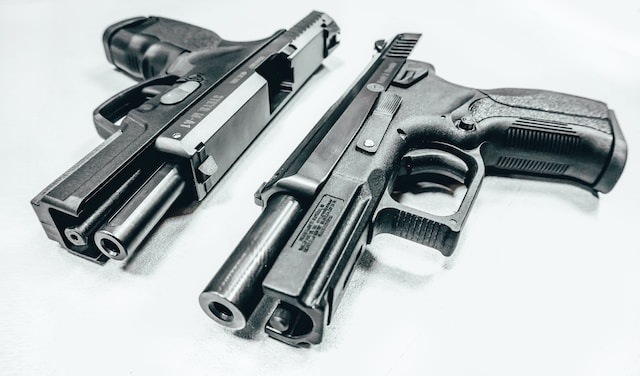
South Korea’s gun control laws were first introduced in the 1950s and were further strengthened in the 1990s after a series of high-profile gun-related incidents. The current gun control laws are enforced by the National Police Agency and are designed to prevent firearms from falling into the wrong hands.
Under South Korean law, there are three main categories of firearms: military, police, and civilian. Military and police firearms are strictly controlled and can only be used by authorized personnel. Civilians can only own firearms for hunting or sporting purposes, and they must obtain a license from the police before they can purchase a gun.
To obtain a gun license in South Korea, applicants must meet strict requirements. They must be over the age of 20 and have no criminal record. They must also pass a mental and physical health check, and demonstrate that they have a valid reason for owning a gun, such as hunting or sport shooting. Additionally, they must complete a gun safety training course and register their firearms with the police.
Even after obtaining a gun license, civilians in South Korea are subject to strict regulations governing the storage, transportation, and use of firearms. Guns must be stored in a locked cabinet or safe when not in use, and they must be transported in a secure case. The use of firearms is also highly regulated, and shooting ranges are the only places where civilians are allowed to use guns.
In addition to these regulations, South Korea has implemented other measures to prevent gun violence. For example, gun dealers must keep a record of all guns sold, and police conduct regular inspections to ensure that guns are being stored and used safely. South Korea also has strict penalties for gun-related crimes, including fines and imprisonment.
In recent years, South Korea has experienced a decline in gun-related crimes. According to data from the National Police Agency, the number of gun-related crimes in the country fell from 314 in 2015 to 174 in 2019. This trend is likely due to a combination of factors, including stricter gun control laws, increased enforcement, and a decline in gun ownership.
In summary, South Korea has very strict gun control laws, and the possession of firearms is highly regulated. Civilians can only own guns for hunting or sporting purposes, and they must obtain a license from the police before they can purchase a gun. Even after obtaining a gun license, civilians are subject to strict regulations governing the storage, transportation, and use of firearms. The use of firearms is also highly regulated, and shooting ranges are the only places where civilians are allowed to use guns. South Korea has implemented other measures to prevent gun violence, including record-keeping by gun dealers, regular police inspections, and strict penalties for gun-related crimes.