Mothballs, those small white balls made of naphthalene or paradichlorobenzene, have long been used as a pest repellent in households. However, their effectiveness in repelling snakes is a matter of debate, and scientific evidence is lacking. Although some people swear by them, others have found that they don’t work at all.
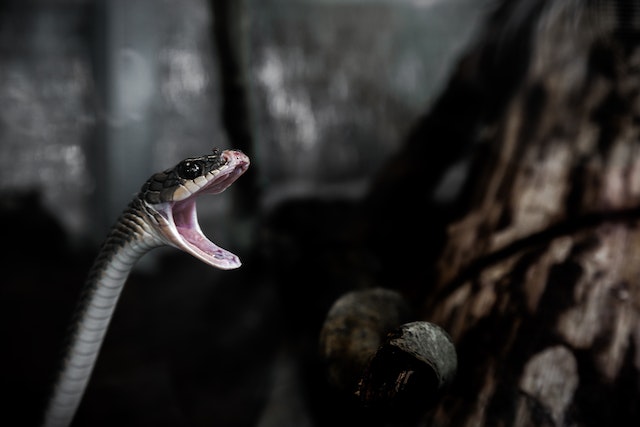
One of the primary reasons why mothballs are believed to repel snakes is their strong, pungent smell. Some individuals believe that the overpowering odor of mothballs will drive snakes away. However, there is little evidence to support this theory. Certain smells, such as cinnamon and clove, may be effective in repelling snakes, but there is no scientific proof that mothballs have the same effect. In fact, many experts believe that the smell of mothballs is unlikely to have any impact on snakes.
Moreover, using mothballs as a snake repellent is not recommended due to potential health hazards. Both naphthalene and paradichlorobenzene, the chemicals found in mothballs, are toxic and can cause harm to humans and animals if ingested or inhaled in large amounts. In fact, the U.S. Environmental Protection Agency has classified both chemicals as possible human carcinogens.
Mothballs can release high concentrations of these chemicals into the air when used in enclosed spaces, such as closets and storage boxes, resulting in health issues such as headaches, nausea, and dizziness. It is, therefore, not advisable to use mothballs as a snake repellent in enclosed spaces or areas where people or pets spend a lot of time.
There are other, more effective, ways to repel snakes that do not pose a health risk. Keeping your yard clean and tidy is one of the simplest and most effective methods. Snakes prefer to hide in dark, cluttered areas, so keeping your yard clean and tidy can go a long way in reducing the risk of a snake infestation.
Another effective method is to seal up any cracks or gaps in your home’s foundation or walls. Snakes can enter buildings through even the smallest openings, so it is important to seal up any potential entry points. Installing mesh screens over vents and windows is another excellent way to prevent snakes from entering your home.
If you do encounter a snake on your property, it is important to remember that most snakes are not aggressive and will only attack if they feel threatened. Giving them plenty of space and not trying to handle them is usually sufficient, and they will generally leave you alone. If you are unsure about how to handle a snake, it is best to contact a professional wildlife removal service.
In conclusion, the effectiveness of mothballs as a snake repellent is questionable, and there is no scientific evidence to support their use. Additionally, their potential health hazards make them unsuitable for use as a pest repellent in enclosed spaces or areas where people or pets spend a lot of time. Instead, it is recommended to use other, more effective methods to repel snakes, such as keeping your yard clean and tidy and sealing up any potential entry points into your home. If you encounter a snake, it is important to give them space and contact a professional wildlife removal service if you are unsure about how to handle them.