The question of whether mustard and ketchup need to be refrigerated is a common one, and the answer depends on a few different factors. This essay will provide a more detailed answer to this frequently asked question.
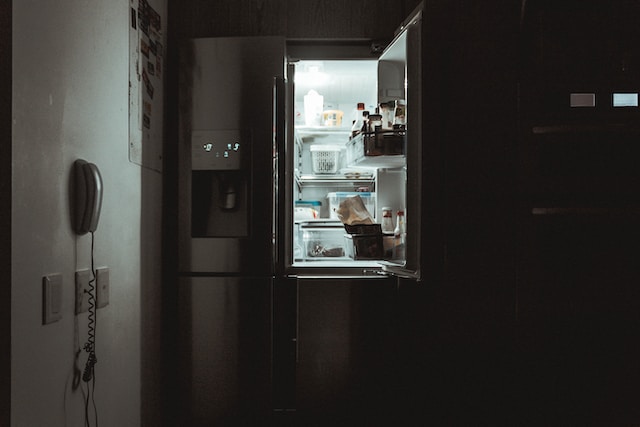
First and foremost, it’s important to understand that both mustard and ketchup are typically shelf-stable products, meaning they don’t need to be refrigerated to be safe to eat. That being said, there are some situations where refrigeration may be beneficial.
Let’s start with mustard. Mustard is made from a combination of mustard seeds, vinegar, and other flavorings. Because vinegar is a natural preservative, most types of mustard are shelf-stable and can be stored at room temperature for months without spoiling. However, there are some types of mustard, such as Dijon mustard, that may benefit from refrigeration.
Dijon mustard contains less vinegar than other types of mustard and may spoil more quickly as a result. If you plan on using Dijon mustard within a few months, you can store it at room temperature without any issues. However, if you want to extend its shelf life, refrigerating it is a good idea. This will help slow down the growth of any bacteria or mold that might cause it to spoil.
Another factor to consider is the quality of the mustard. If the mustard contains additives like preservatives, stabilizers, or emulsifiers, it may be more shelf-stable than a natural mustard. These types of mustards can often be stored at room temperature for longer periods without spoiling. However, if you’re using a natural mustard that doesn’t contain any additives, you may want to err on the side of caution and refrigerate it to extend its shelf life.
Now let’s move on to ketchup. Like mustard, ketchup is typically shelf-stable and can be stored at room temperature without any issues. However, there are a few factors that may make refrigeration a good idea.
First, if you live in a hot and humid climate, storing ketchup in the refrigerator may help extend its shelf life. This is because high temperatures and humidity can cause ketchup to spoil more quickly. If you’re planning on using the ketchup within a few months, you can store it at room temperature without any issues. However, if you want to extend its shelf life, refrigerating it may be a good idea.
Another factor to consider is the quality of the ketchup. Just like with mustard, if the ketchup contains additives like preservatives, stabilizers, or emulsifiers, it may be more shelf-stable than a natural ketchup. These types of ketchups can often be stored at room temperature for longer periods without spoiling. However, if you’re using a natural ketchup that doesn’t contain any additives, you may want to refrigerate it to extend its shelf life.
It’s also worth noting that once you open a bottle of mustard or ketchup, refrigeration becomes more important. This is because exposure to air and moisture can cause the condiment to spoil more quickly. Once opened, both mustard and ketchup should be stored in the refrigerator to help extend their shelf life. This is especially true if you live in a hot and humid climate.
In conclusion, whether or not mustard and ketchup need to be refrigerated depends on a few different factors. Generally speaking, both condiments are shelf-stable and can be stored at room temperature without any issues. However, if you want to extend their shelf life, refrigeration may be a good idea. Additionally, if you live in a hot and humid climate, refrigeration can help prevent spoilage. Finally, once opened, both mustard and ketchup should be stored in the refrigerator to help extend their shelf life.