Antarctica is the fifth largest continent and the coldest and driest continent on Earth. Due to its extreme climate, harsh living conditions, and lack of infrastructure, there are no cities or permanent settlements on the continent. However, there are people who live and work in Antarctica for extended periods of time.
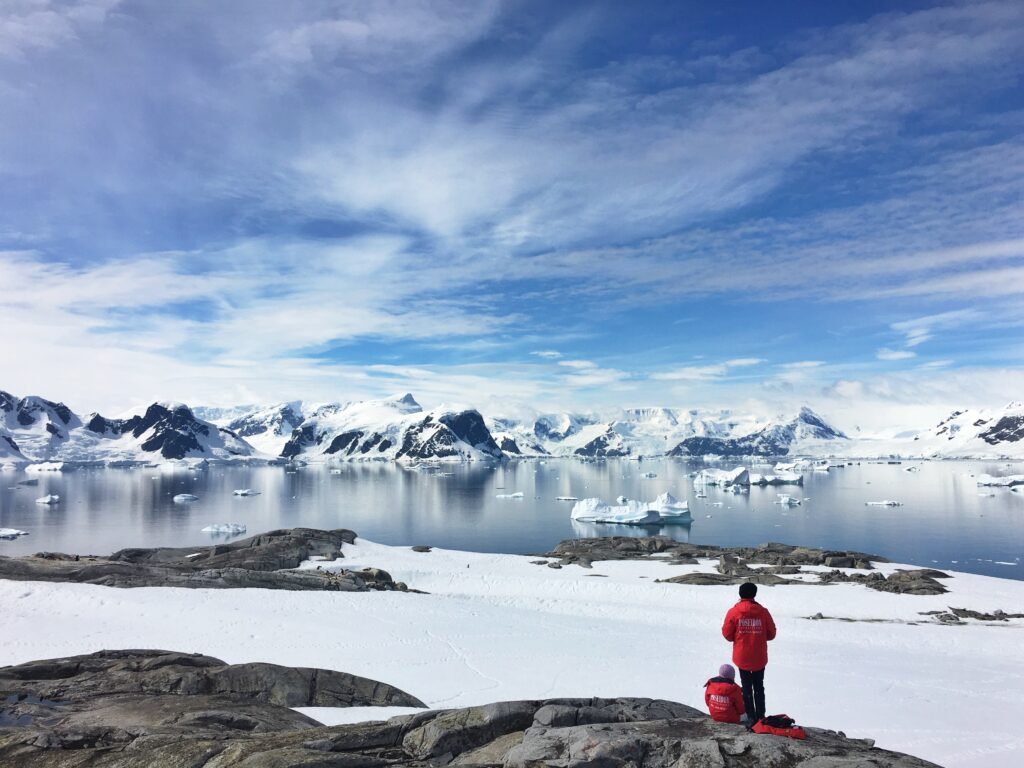
The population of Antarctica fluctuates throughout the year, as people come and go with the changing seasons. During the austral summer months (November to February), the population of Antarctica can reach upwards of 4,000 people. These individuals typically work at research stations or bases, conducting scientific research or supporting the logistics of the stations.
Most of the people who live in Antarctica are scientists or support staff, including technicians, engineers, mechanics, chefs, and medical personnel. They work for various national Antarctic programs, including the United States Antarctic Program (USAP), the British Antarctic Survey (BAS), the Australian Antarctic Division (AAD), and others.
The living conditions in Antarctica are extremely challenging. Temperatures can drop to as low as -90°F (-68°C) in some parts of the continent, and there are months of complete darkness during the austral winter. However, the research stations on the continent are equipped with modern facilities and amenities to make life more comfortable. The stations typically have living quarters, dining facilities, recreation areas, and even gyms.
Despite the challenging conditions, many people are drawn to work in Antarctica because of the unique research opportunities and the chance to experience one of the most remote and pristine places on Earth. The scientific research conducted in Antarctica is crucial for understanding climate change, geology, biology, and other important fields.
In conclusion, while there are no permanent settlements or cities in Antarctica, there are people who live and work on the continent for extended periods of time. These individuals typically work at research stations or bases, conducting scientific research or supporting the logistics of the stations. While the living conditions in Antarctica are challenging, many people are drawn to work there for the unique research opportunities and the chance to experience one of the most remote and pristine places on Earth.