Thunderstorms are one of the most dangerous weather phenomena that a plane can encounter. They are typically associated with lightning, strong winds, turbulence, hail, and heavy rain or snow. As a result, pilots are generally trained to avoid flying into thunderstorms as much as possible. However, there are situations in which planes may still need to fly through or near thunderstorms. In this article, we will explore how planes can safely fly in thunderstorms and what precautions pilots take to ensure a safe journey.
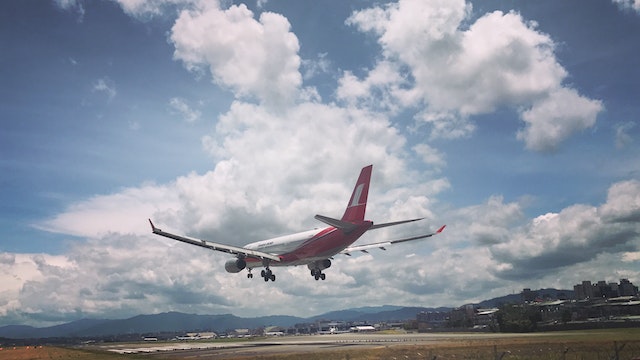
The first thing to understand is that planes are designed to withstand lightning strikes. Modern aircraft are equipped with lightning protection systems, which include conductive materials and grounding systems that help to dissipate the electrical charge of a lightning strike. Additionally, the fuel tanks and other critical systems of a plane are isolated from the electrical systems, so even if the plane does get struck by lightning, it is unlikely to cause any serious damage.
However, lightning strikes are not the only concern when flying through thunderstorms. Strong winds, turbulence, and hail can also pose a significant risk to a plane’s safety. To avoid these hazards, pilots will typically try to fly around the storm or climb over it. If they cannot avoid the storm altogether, they may try to navigate through the weaker parts of the storm or adjust their altitude to minimize the impact of the turbulence and hail.
In order to safely navigate through thunderstorms, pilots rely on a variety of weather information sources. They will typically monitor weather radar to track the progress of storms and to identify areas of heavy precipitation or turbulence. They may also use satellite imagery to track the movement of storms and to identify areas of clear air that they can navigate through.
In addition to weather information, pilots will also use their own experience and judgment to determine the best course of action. They may consult with air traffic control or other pilots in the area to get additional information about the conditions ahead. They will also constantly monitor the plane’s instruments to ensure that it is flying safely and within its limits.
Despite these precautions, flying in thunderstorms is still considered a high-risk activity. Pilots are trained to be extremely cautious when flying in stormy weather, and they will typically take a number of additional steps to ensure the safety of the plane and its passengers. For example, they may reduce the plane’s speed to minimize the impact of turbulence or hail. They may also increase the distance between the plane and other aircraft to reduce the risk of collision. Additionally, they may activate the seatbelt sign and instruct passengers to remain seated with their seatbelts fastened throughout the flight.
In some cases, pilots may decide to divert the flight to an alternate airport if the conditions become too severe. This decision is typically based on a variety of factors, including the severity of the storm, the available fuel reserves, and the availability of other airports in the area. Diverting a flight can be a complex and time-consuming process, but it is often the safest course of action in stormy weather.
In conclusion, planes can still fly in thunderstorms, but it is generally considered a high-risk activity that requires careful planning, preparation, and execution. Pilots must rely on a variety of weather information sources, their own experience and judgment, and a variety of additional precautions to ensure the safety of the plane and its passengers. While modern aircraft are designed to withstand lightning strikes and other hazards associated with thunderstorms, pilots must still be extremely cautious when flying in stormy weather and must always prioritize the safety of their passengers and crew.