Embalming is a process of preserving a deceased body by treating it with chemicals to delay decomposition. This practice has been used by various cultures throughout history, including ancient Egyptians, who mummified their pharaohs and other high-ranking officials. However, the question of whether royals get embalmed is not straightforward and depends on various factors, including cultural traditions, religious beliefs, and personal preferences.
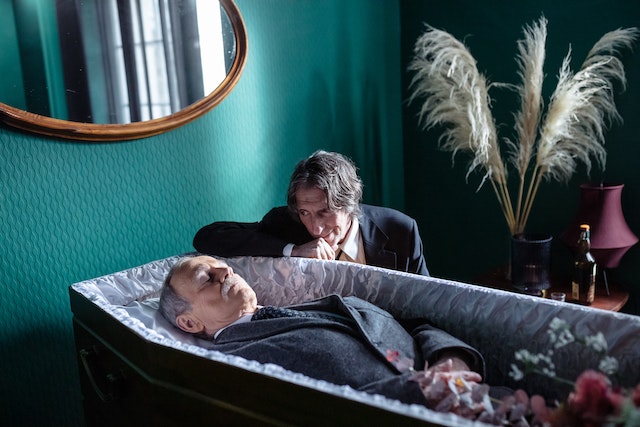
In many cultures, including Western societies, embalming is a common practice for preparing a body for a funeral or a viewing. This is usually done to allow family and friends to pay their last respects to the deceased and to make the body look more presentable. Embalming involves injecting a solution of formaldehyde, water, and other chemicals into the body to replace bodily fluids and prevent decay. The body is then cosmetically treated to make it look more natural, and clothes and accessories are placed on the body before it is put into a casket.
Royals, who are often seen as symbols of their nations and hold a special place in society, may be embalmed for various reasons. For example, in some cultures, such as the British monarchy, royals are embalmed to preserve their bodies for state funerals or to enable public viewings of the deceased. The British royal family has a long history of embalming its members, dating back to Queen Victoria’s death in 1901. Since then, most British monarchs and their spouses have been embalmed, including King George VI, Princess Diana, and Queen Elizabeth, the Queen Mother.
Similarly, in many other cultures, such as ancient Egypt, royals were embalmed to preserve their bodies for the afterlife. The belief was that the soul could only enter the afterlife if the body was preserved and protected from decay. This led to the development of complex mummification techniques, which involved removing the internal organs and treating the body with various chemicals and resins. The mummified body was then placed in a sarcophagus, along with various funerary objects and offerings.
In some cases, royals may choose not to be embalmed for personal or religious reasons. For example, in the Jewish faith, embalming is generally discouraged, as it is seen as a form of desecration of the body. Instead, the body is typically washed, dressed in a simple shroud, and buried as soon as possible after death. Some other religious traditions, such as Islam and Orthodox Christianity, also discourage or prohibit embalming.
In other cases, royals may be embalmed, but their bodies are not put on public display. This is often the case with monarchs who pass away while still in office, as their bodies are typically taken directly to the burial site, without a public viewing. For example, when King Bhumibol Adulyadej of Thailand passed away in 2016, his body was embalmed and placed in a coffin, but it was not put on public display. Instead, the coffin was transported by a royal procession to the Grand Palace, where it was kept in a specially built shrine until his cremation.
In conclusion, the question of whether royals get embalmed is not a straightforward one, as it depends on various cultural, religious, and personal factors. In many Western cultures, including the British monarchy, royals are often embalmed to allow for public viewings or state funerals. In ancient Egypt, royals were embalmed to preserve their bodies for the afterlife. However, in some cases, royals may choose not to be embalmed for personal or religious reasons, or their bodies may not be put on public display.