Snakes are fascinating creatures that come in many shapes and sizes, with diverse habitats and behaviors. While many snakes are known for living in trees, water, or rocky outcrops, some snakes do dig holes in the ground as part of their behavior.
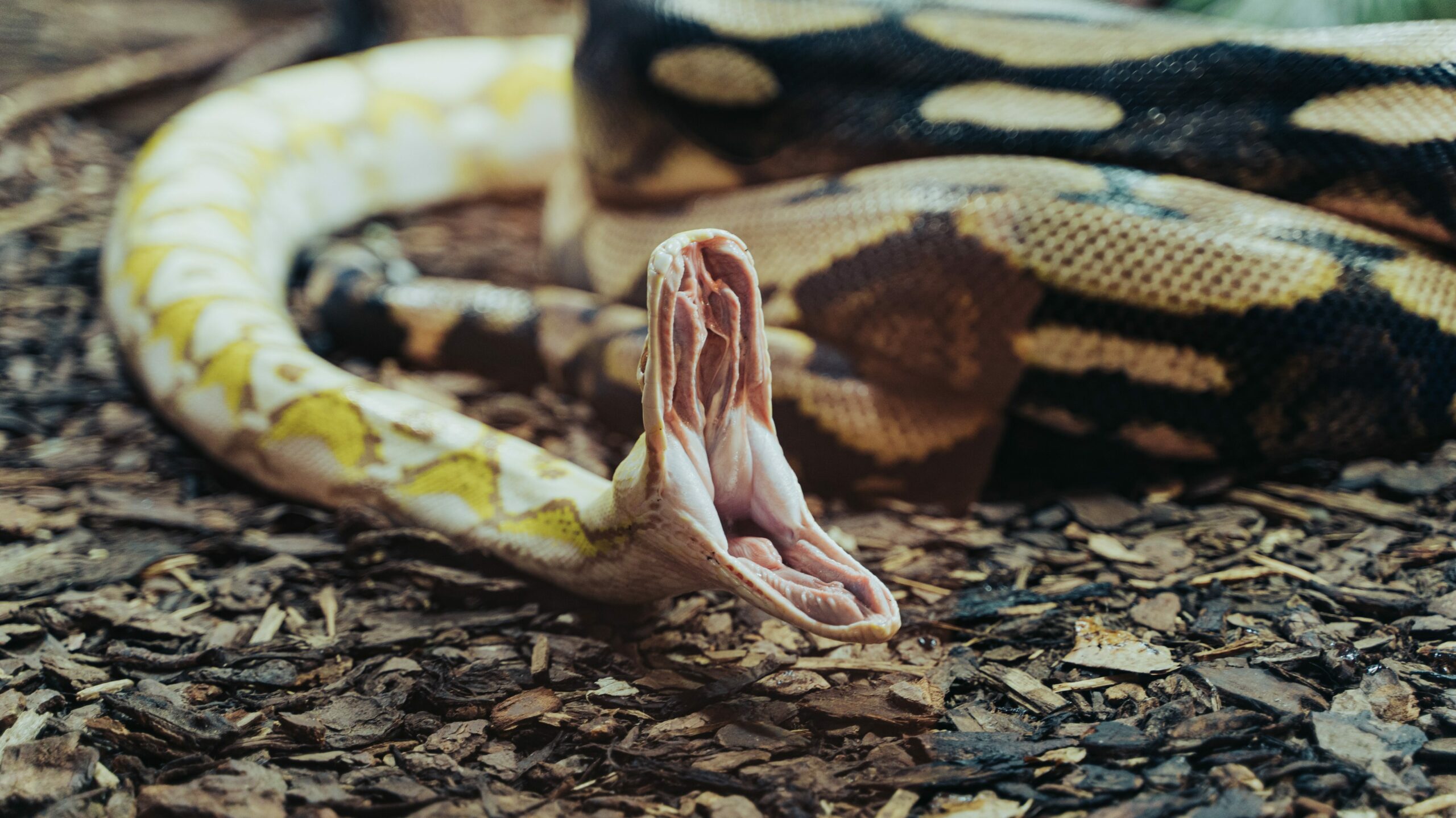
One of the primary reasons snakes might dig holes in the ground is for shelter or hibernation. Some species of snakes, such as the rattlesnake, live in underground burrows that they excavate themselves. These burrows can be simple holes in the ground, or more complex networks of tunnels and chambers. These burrows provide shelter and protection from predators and extreme temperatures, as well as a place to hibernate during the winter months.
Other snakes may dig temporary holes or depressions in the ground for other purposes. For example, some species of snakes may dig a hole to lay their eggs, which they will then cover with soil or vegetation to protect them from predators. Some snakes may also dig temporary holes to escape from predators or extreme weather conditions.
Snakes can use a variety of methods to dig holes in the ground, depending on the species and the type of soil they are digging in. Some snakes, like the rattlesnake, have specially adapted scales on their heads and snouts that help them dig through loose soil. Other snakes may use their bodies to push and tunnel through the ground, or use their muscular bodies to burrow through sand or loose soil.
It’s worth noting that not all snakes dig holes in the ground. Many snakes prefer to live above ground, in trees, water, or rocky areas. Some snakes, like the garter snake, may use the burrows of other animals as shelter, rather than digging their own holes.
In addition to digging holes in the ground, snakes have many other fascinating behaviors and adaptations that help them survive and thrive in their environments. For example, some species of snakes are highly venomous, using their venom to hunt and defend themselves from predators. Other species of snakes have specialized sensory organs, such as heat-sensing pits or highly sensitive tongues, that help them locate prey in the dark or in hidden locations.
Overall, while not all snakes dig holes in the ground, it is a common behavior among many species, particularly those that live in burrows or need shelter from extreme temperatures. Snakes have a wide range of adaptations and behaviors that allow them to thrive in diverse environments, and are an important part of many ecosystems around the world.