Visual acuity is a measure of the clarity or sharpness of vision. It is commonly measured using a Snellen chart, which is a chart that displays letters of different sizes, with the smallest letters corresponding to the highest level of visual acuity. A person with 20/20 vision can read the smallest letters on the Snellen chart from a distance of 20 feet, while a person with 20/60 vision can only read letters from 20 feet away that a person with 20/20 vision can read from 60 feet away.
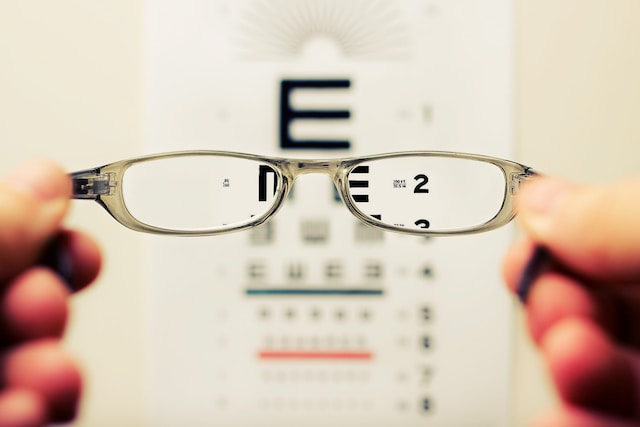
A person with 20/60 vision may experience difficulty seeing objects clearly, especially at a distance. They may also have trouble reading small print or distinguishing fine details. In some cases, this level of visual acuity may be due to a refractive error, which is a problem with the way the eye focuses light. The most common refractive errors are nearsightedness, which causes distant objects to appear blurry, and farsightedness, which causes near objects to appear blurry. In these cases, glasses or contact lenses can help to correct the refractive error and improve visual acuity.
However, 20/60 vision does not necessarily mean that a person needs glasses. Other factors, such as age, health, and lifestyle, can also affect visual acuity. For example, older adults may experience age-related changes in their eyes that can affect visual acuity, such as cataracts, macular degeneration, or glaucoma. These conditions can cause vision loss and may require medical treatment or surgery. In some cases, lifestyle factors such as diet, exercise, and exposure to sunlight may also affect visual acuity.
It is important to note that visual acuity is not the only factor that determines whether a person needs glasses or other vision correction. Other factors, such as eye alignment, depth perception, and color vision, can also affect visual function and may require treatment. A comprehensive eye exam, which includes a detailed evaluation of visual acuity, as well as other aspects of visual function, can help to determine whether a person needs glasses or other vision correction.
In conclusion, a person with 20/60 vision may or may not require glasses or other vision correction. This level of visual acuity can be due to a variety of factors, including refractive errors, age-related changes in the eyes, and lifestyle factors. A comprehensive eye exam is the best way to determine whether a person needs glasses or other vision correction, as it can evaluate visual acuity as well as other aspects of visual function. If you are experiencing difficulty seeing clearly, it is important to consult an eye doctor to determine the cause of your symptoms and receive appropriate treatment.