The North Pole is a geographical point located in the Arctic Ocean, and it is the northernmost point on the planet. It is also known as the geographic North Pole, and it is often confused with the magnetic North Pole, which is constantly moving due to the Earth’s magnetic field. The North Pole is a desolate and uninhabitable place, where there is no land and no permanent human settlement. Therefore, it is safe to say that nobody lives in the North Pole.
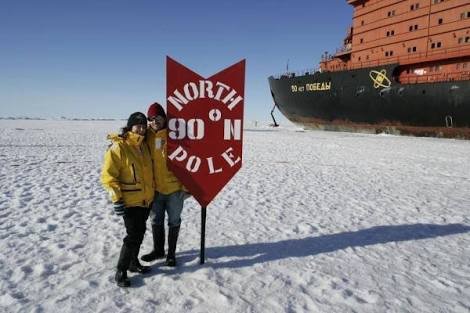
The harsh Arctic conditions, including extreme cold, strong winds, and a lack of resources, make it nearly impossible for humans to survive at the North Pole. The Arctic region is one of the most inhospitable places on the planet, with temperatures that can drop as low as -50°C (-58°F) and strong winds that can exceed 100 km/h (62 mph). The Arctic ice is also constantly shifting, making it difficult for ships and even planes to navigate the area. The lack of sunlight for months during the winter also makes it difficult for plants to grow, and for animals to thrive.
Despite the challenges, some people have attempted to live at the North Pole over the years. In the early 20th century, several explorers, including Robert Peary and Roald Amundsen, attempted to reach the North Pole. While they did not live there permanently, they did spend extended periods of time in the Arctic region, enduring the harsh conditions and documenting their experiences. They were able to survive by relying on their survival skills, as well as the supplies they brought with them, including food, clothing, and equipment.
In recent years, scientists and researchers have also spent time at the North Pole, conducting studies on climate change, ocean currents, and marine life. These researchers typically stay on ships or in research stations that are equipped with the necessary resources to support life in the Arctic region. However, their stays are usually temporary, and they are not considered to be permanent residents of the North Pole.
In addition, there are no indigenous peoples that call the North Pole home. The closest indigenous populations are the Inuit, who live in the Arctic regions of Canada, Alaska, Greenland, and Russia. The Inuit have adapted to life in the Arctic over thousands of years, relying on hunting, fishing, and trapping for their survival. However, they do not live at the North Pole, as there is no land in the region for them to inhabit.
While nobody lives at the North Pole permanently, there are some people who visit the region for recreational purposes. These visitors are typically scientists, researchers, or adventurers who want to experience the extreme conditions and natural beauty of the Arctic. However, their stays are usually short-term, as the harsh conditions make it difficult to sustain life for an extended period.
In conclusion, nobody lives at the North Pole permanently. The harsh Arctic conditions make it nearly impossible for humans to survive in the region without the necessary resources and survival skills. While some explorers, researchers, and adventurers have spent time at the North Pole, they do not consider the region to be their permanent home. The lack of land, resources, and indigenous populations makes it unlikely that anyone will ever live at the North Pole permanently.