Broccoli is a cruciferous vegetable that is rich in nutrients and fiber, making it a popular choice for those looking to maintain a healthy diet. However, some people may experience digestive issues after consuming broccoli, including gas and bloating. Here’s why:
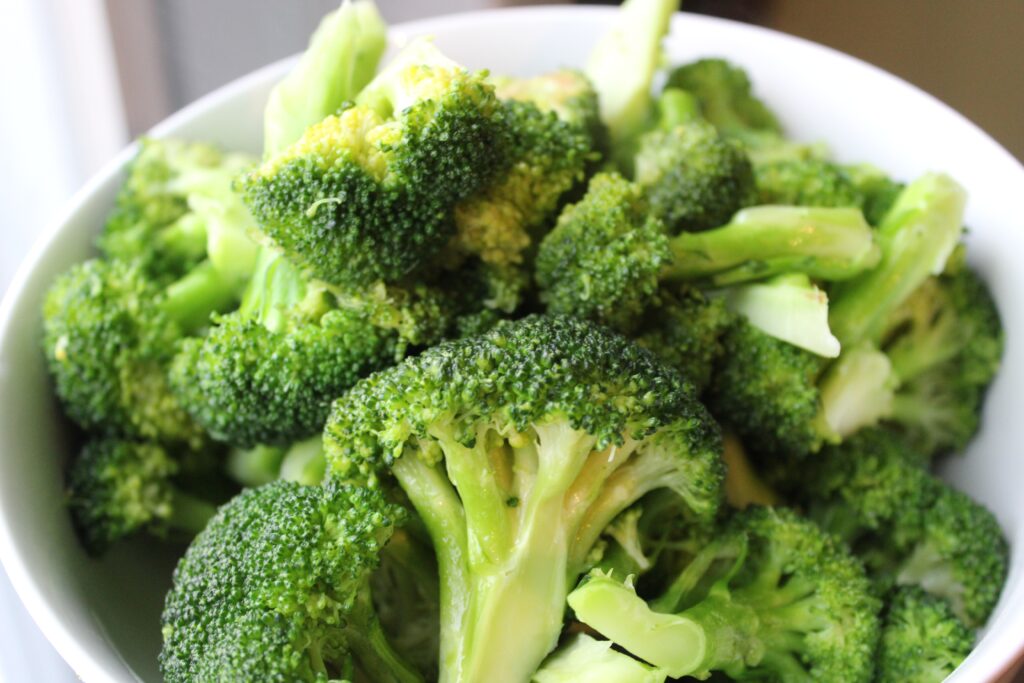
Fiber content: Broccoli is high in fiber, which can be difficult for some people to digest. When fiber reaches the large intestine undigested, it can be broken down by bacteria, which produces gas as a byproduct. This gas can cause bloating and discomfort.
FODMAPs: Broccoli is also high in FODMAPs (fermentable oligosaccharides, disaccharides, monosaccharides, and polyols), which are a type of carbohydrate that can cause digestive problems in some people. FODMAPs are poorly absorbed in the small intestine, which can cause them to ferment in the large intestine, leading to gas and bloating.
Cooking methods: The way broccoli is cooked can also affect how it is digested. Overcooked broccoli can become mushy and difficult to digest, while undercooked broccoli may still contain tough fibers that are hard to break down. Steaming or roasting broccoli can help break down the fibers and make it easier to digest.
Personal tolerance: Finally, it’s important to note that everyone’s digestive system is different, and what works for one person may not work for another. Some people may be able to eat broccoli without any issues, while others may experience gas and bloating even in small amounts.
So, does broccoli give you gas? The answer is that it depends on the individual. If you experience digestive issues after consuming broccoli, you may want to try cooking it differently or limiting your intake. Additionally, there are many other nutrient-rich vegetables that you can incorporate into your diet if you find that broccoli doesn’t work for you. As always, it’s important to listen to your body and make choices that work for your individual needs and preferences.