Canned pineapple juice is a popular beverage that is enjoyed by many people around the world. Pineapple is known for its sweet, tangy flavor and many health benefits, including its high content of vitamin C and the enzyme bromelain. Bromelain is an enzyme that is found in the stem and fruit of the pineapple plant, and it has been linked to a variety of health benefits, including reducing inflammation, improving digestion, and promoting wound healing.
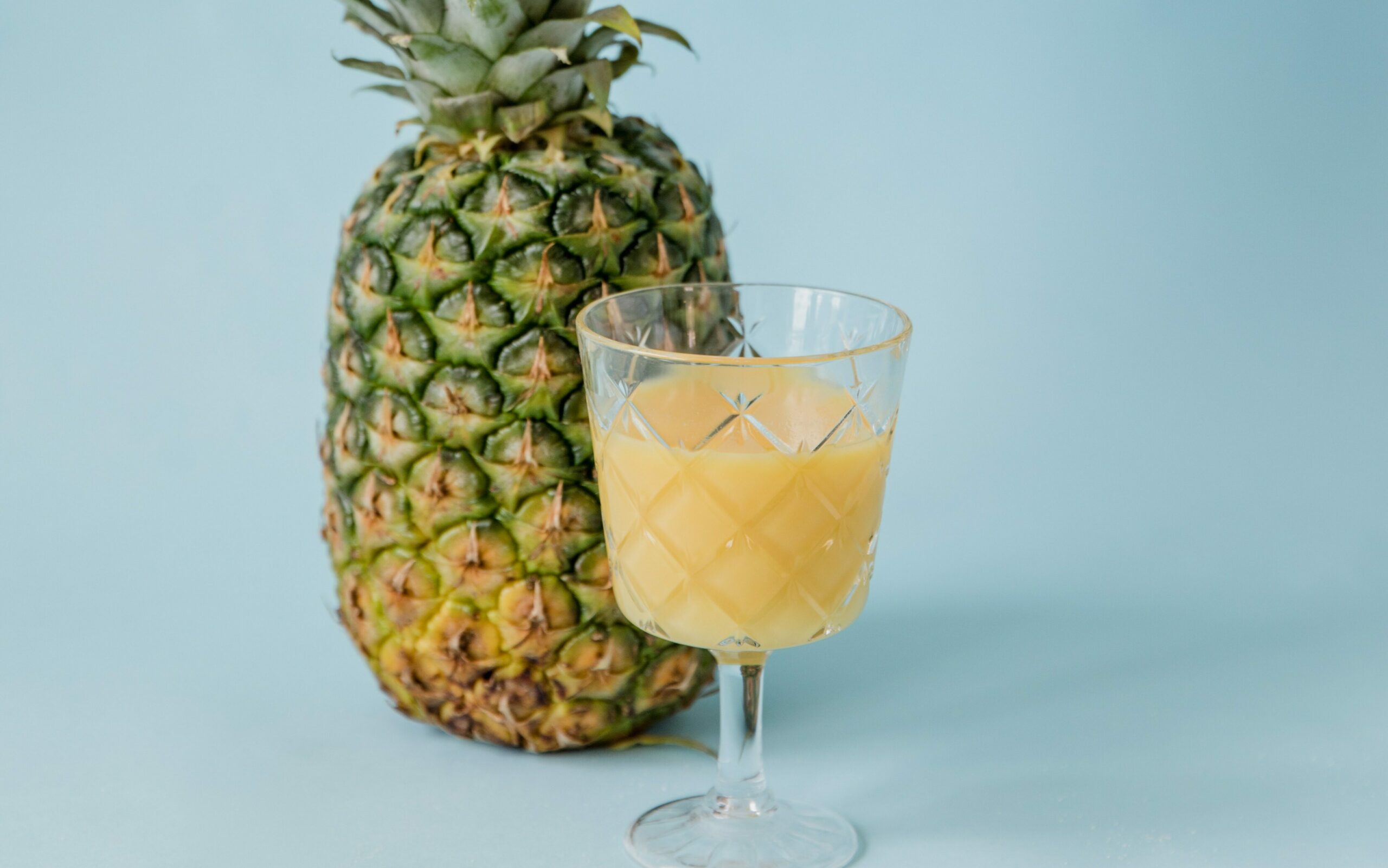
However, the question of whether canned pineapple juice contains bromelain is a bit more complicated than a simple yes or no answer. The answer depends on a variety of factors, including the processing methods used to make the juice and the type of pineapple used.
Firstly, it’s important to understand that bromelain is a heat-sensitive enzyme. This means that it can be destroyed or deactivated by high temperatures, such as those used in the pasteurization process that is often used to make canned pineapple juice. Therefore, canned pineapple juice that has been heated during the production process may not contain significant levels of bromelain.
However, not all canned pineapple juices are created equal. Some brands may use different processing methods that preserve the bromelain content in the juice. For example, some companies may use a cold-pressed method to extract the juice from the pineapple, which can help preserve the enzyme content. Additionally, some brands may add bromelain back into the juice after it has been pasteurized to help boost its health benefits.
Furthermore, the type of pineapple used to make the juice can also impact the bromelain content. Pineapple plants can vary in their bromelain content depending on factors such as the age of the plant, the growing conditions, and the ripeness of the fruit. Some types of pineapple, such as the Cayenne pineapple, are known to have higher levels of bromelain than others.
In general, if you are looking for a pineapple juice with high levels of bromelain, it is best to choose a juice that is made from fresh, ripe pineapples that have been minimally processed. This can include fresh-pressed juice, as well as frozen or refrigerated juices that have not been subjected to high temperatures.
It is worth noting that while bromelain has been linked to a variety of health benefits, including reducing inflammation and improving digestion, more research is needed to fully understand its effects on the body. Additionally, the amount of bromelain that is present in pineapple juice can vary widely depending on the factors mentioned above, as well as the serving size and concentration of the juice.
In summary, canned pineapple juice may or may not contain significant levels of bromelain, depending on factors such as the processing methods used and the type of pineapple used. If you are looking for a pineapple juice with high levels of bromelain, it is best to choose a juice that is made from fresh, ripe pineapples that have been minimally processed. It is also important to remember that while bromelain has been linked to health benefits, more research is needed to fully understand its effects on the body.