Cinnamon has been claimed to have snake-repellent properties by some, but there is limited scientific evidence to support these claims. While cinnamon is a common spice used in culinary and household products, its effectiveness as a snake repellent is still debated among experts.
Snakes are fascinating creatures that play important roles in ecosystems, but they can also pose risks to human health and safety in certain situations. As a result, many people seek ways to prevent snakes from entering their homes, gardens, or other areas of human habitation. Cinnamon has been suggested as a natural snake repellent, but its efficacy remains a topic of discussion.
The idea of using cinnamon as a snake repellent is often based on its strong smell. Cinnamon has a distinctive aroma that is pleasant to many humans but can be overwhelming or irritating to some animals, including snakes. It is believed that the strong scent of cinnamon can disrupt a snake’s sense of smell or cause them to avoid an area due to the overpowering odor. Additionally, cinnamon is sometimes touted as a natural deterrent for insects, and it is thought that snakes may also avoid areas where insects are less abundant.
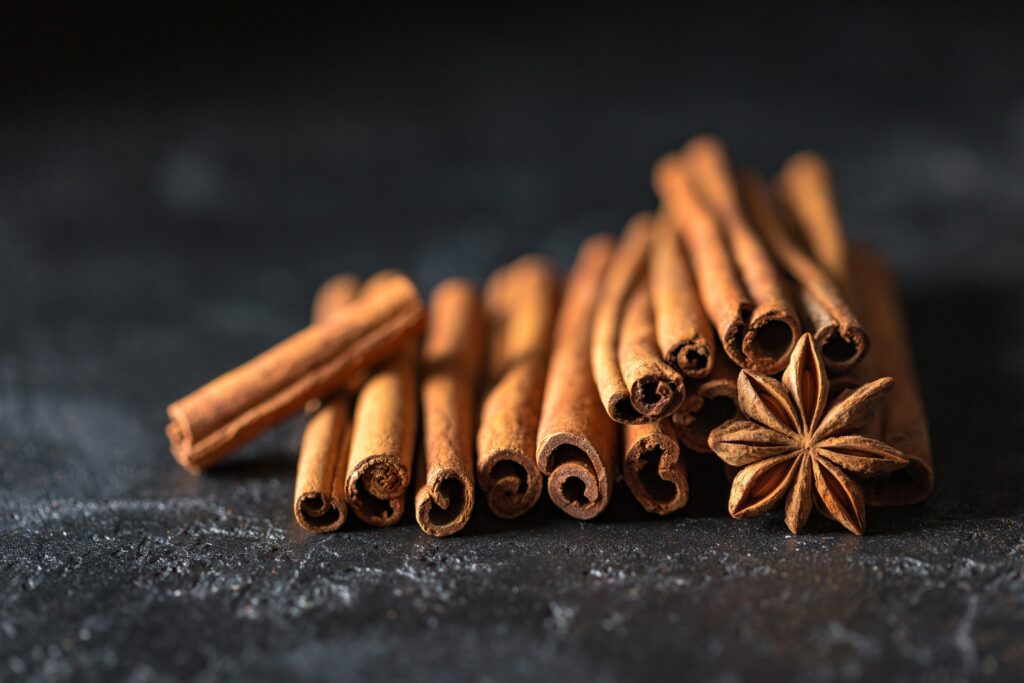
Some anecdotal evidence suggests that cinnamon may be effective in repelling certain species of snakes, particularly smaller non-venomous snakes, when used in certain ways. For example, some people claim that sprinkling cinnamon powder around the perimeter of a garden or home, or placing cinnamon sticks in specific areas, can deter snakes from entering those areas. However, there are limitations to the effectiveness of cinnamon as a snake repellent.
First, the scientific evidence supporting the effectiveness of cinnamon as a snake repellent is lacking. There have been few scientific studies conducted specifically on the use of cinnamon for repelling snakes, and those that do exist have mixed results. For example, a study published in the journal “Current Science” in 2004 found that cinnamon oil had no significant effect on the behavior of snakes in laboratory experiments. Another study published in the journal “Applied Animal Behaviour Science” in 2009 found that cinnamon oil did not repel snakes in field tests conducted in snake-infested areas.
Second, snakes rely on multiple senses to navigate their environment, and their sense of smell is just one of them. Snakes also use their vision, touch, and heat-sensing capabilities to locate prey and find suitable habitats. While cinnamon may have a strong smell, it is unclear whether the scent alone would be enough to deter snakes from entering a particular area, especially if other sensory cues, such as the presence of food or shelter, are more compelling.
Third, the effectiveness of cinnamon as a snake repellent may vary depending on the species of snake and the specific situation. Different species of snakes have different behaviors, preferences, and sensitivities, and what may repel one species may not affect another. Additionally, environmental factors, such as weather conditions, habitat characteristics, and the abundance of food sources, may also influence snake behavior and responses to cinnamon or other repellents.
Furthermore, it’s important to note that cinnamon, like any substance, can have potential risks and limitations. Cinnamon is generally considered safe for human consumption, but it can cause irritation or allergic reactions in some individuals, particularly if it comes into contact with the skin, eyes, or respiratory system. Therefore, caution should be exercised when handling cinnamon or using cinnamon-based products as a snake repellent, and appropriate safety measures should be followed.
In conclusion, while cinnamon has been claimed to have snake-repellent properties by some, there is limited scientific evidence to support these claims. The effectiveness of cinnamon as a snake repellent remains uncertain, and its use should be approached with caution. It is always best to rely on proven methods for snake control, such as removing food and shelter sources, sealing entry points, and seeking professional.