The Gucci family played a significant role in the founding and development of the Gucci brand, which was established in Florence, Italy, in 1921 by Guccio Gucci. Over the years, various members of the Gucci family have been involved in the company, but today, the brand is owned by the French luxury goods conglomerate Kering.
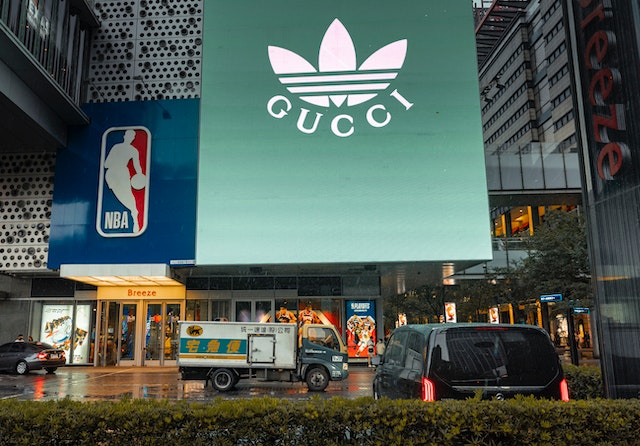
In the early days of the Gucci brand, Guccio Gucci and his sons Aldo, Vasco, and Rodolfo played key roles in expanding the business and establishing it as a global luxury brand. The company saw significant growth in the 1950s and 1960s, with new stores opening in major cities around the world and a focus on high-end leather goods, such as handbags, luggage, and shoes.
However, in the 1980s and 1990s, the Gucci family became embroiled in a bitter power struggle over control of the company. In 1983, Maurizio Gucci, the grandson of Guccio Gucci, took over as CEO of the company, but he was later ousted by his own family members, including his cousin Paolo Gucci.
This led to a series of lawsuits and public battles between various members of the Gucci family, as they fought for control of the company. Eventually, in 1993, Maurizio Gucci was murdered by a hitman hired by his ex-wife, and the family’s involvement in the company came to an end.
In 1999, Gucci was acquired by the French luxury goods conglomerate Kering (formerly known as PPR), which also owns brands such as Yves Saint Laurent, Balenciaga, and Alexander McQueen. Since then, Kering has worked to revitalize the Gucci brand, investing in new designs and marketing strategies to attract a younger, more diverse audience.
While the Gucci family no longer owns or controls the Gucci brand, their legacy can still be seen in the company’s designs and aesthetic. The iconic Gucci logo, featuring two interlocking Gs, was created by Guccio Gucci himself and remains one of the brand’s most recognizable symbols. Additionally, the company’s focus on high-end leather goods, such as handbags and shoes, can be traced back to its early days as a small leather workshop in Florence.
Despite no longer being owned by the Gucci family, the brand continues to be highly successful, with revenues of over 9 billion euros in 2020. The company has expanded its offerings to include not only leather goods, but also clothing, accessories, and fragrances, and has become known for its bold and colorful designs that mix traditional craftsmanship with modern flair.
In conclusion, while the Gucci family played a significant role in the founding and development of the Gucci brand, they no longer own or control the company. Today, the brand is owned by the French luxury goods conglomerate Kering, which has invested heavily in its success and helped to revitalize the brand for a new generation of consumers. While the Gucci family’s involvement in the company came to an end after a bitter power struggle in the 1980s and 1990s, their legacy can still be seen in the company’s designs and aesthetic, which continue to captivate audiences around the world.