No, Korea does not have a reigning royal family today: South Korea is a republic with an elected president, and North Korea has no monarchy either. The last royal dynasty in Korea was the Joseon Dynasty, which ruled the country from 1392 to 1910, when Japan annexed Korea. Descendants of the former royal Yi family still live in South Korea, but they hold no official title or role.
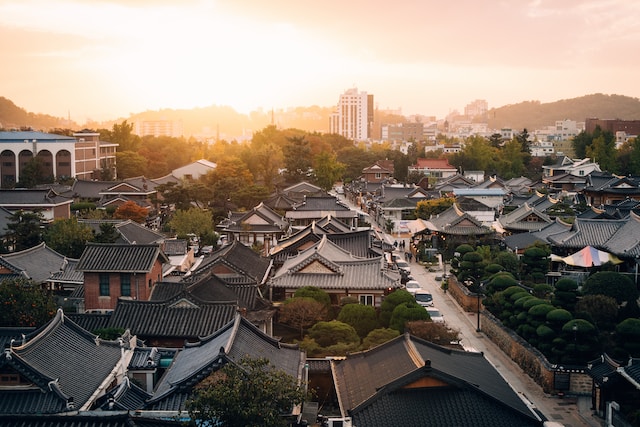
During the Joseon Dynasty, the royal family played a critical role in the governance of the country. The king held absolute power and was considered the highest authority in the land. Members of the king’s family also held important positions in the government and were regarded as the nobility of the country.
Unfortunately, the annexation of Korea by Japan in 1910 resulted in the end of the Joseon Dynasty. The Japanese colonial government abolished the monarchy and replaced it with a colonial administration. Emperor Gojong, the last king of the Joseon Dynasty, was forced to abdicate and spent the rest of his life in exile. His son, Sunjong, briefly became the last emperor of Korea, but he was forced to abdicate soon after the annexation.
After World War II ended in 1945, Korea regained its independence and adopted a democratic system of government. The new government was founded on the principles of democracy, equality, and justice, and the idea of having a royal family was not a part of this new system.
Korea has since become a modern democratic society, and the idea of a royal family has lost much of its significance. However, some Koreans still hold a fascination for their country’s past and the history of the royal family. The government recognizes this interest and has taken steps to preserve the cultural heritage of the country, including the royal palaces and other historic sites.
One notable aspect of Korea’s royal family is the descendants of the Joseon Dynasty. Although they are not officially recognized as royalty, they still carry the family name and maintain their traditions and customs. Some members of the royal family have achieved fame and fortune in modern society, such as the famous Korean actor and model, Lee Seo-jin, who is a descendant of King Sejong the Great.
In recent years, there have been some efforts to restore the royal family in Korea. Some people believe that restoring the monarchy would help to promote national unity and pride. However, there is little support for this idea among the general population, and the government has not shown any interest in pursuing this option.
In conclusion, while Korea has a rich history that includes a royal family, there is no official royal family at present. The Joseon Dynasty was the last royal dynasty to rule the country, and after Japan annexed Korea in 1910, the monarchy was abolished. Korea has since become a democratic society, and while there is still interest in the country’s royal family, the idea of having a monarchy has lost much of its significance. Although there are still descendants of the Joseon Dynasty, they are not recognized as royalty by the government. While there have been efforts to restore the royal family, there is little support for this idea among the general population. Ultimately, Korea’s focus remains on its democratic government and preserving its rich cultural heritage.