It is not possible for a cat to have Down syndrome because this condition is specific to humans. Down syndrome is a genetic disorder that occurs when there is an extra copy of chromosome 21. This extra chromosome can cause various physical and developmental abnormalities, including intellectual disability, characteristic facial features, and a range of other health issues.
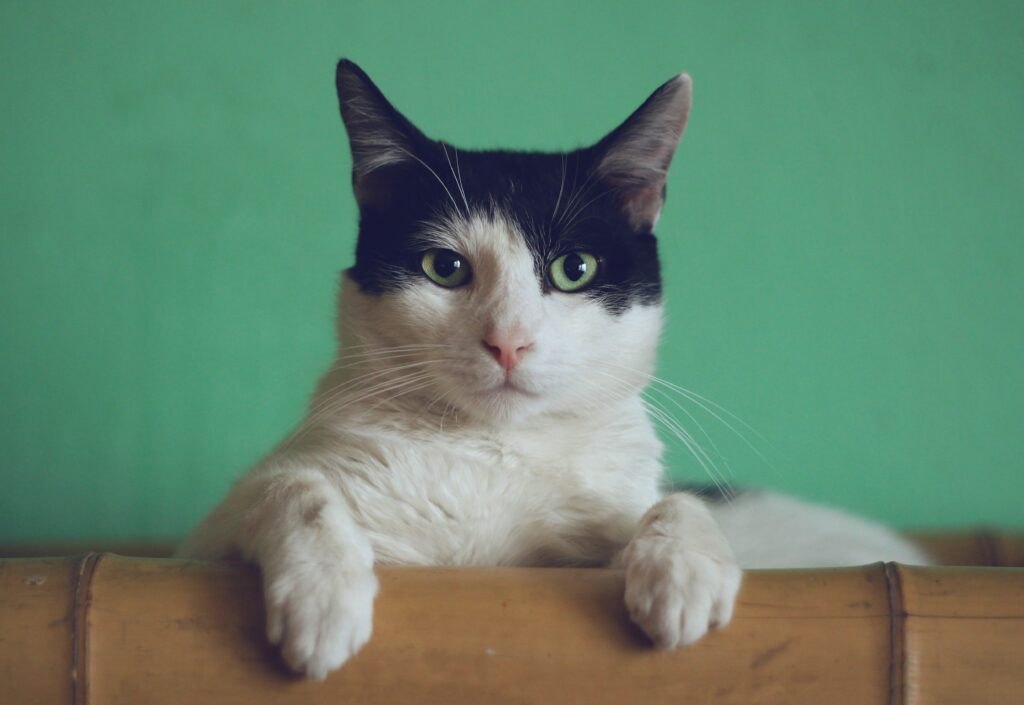
Cats have a different number of chromosomes than humans (38 vs. 46), and there is no equivalent of chromosome 21 in the feline genome. As such, cats cannot have Down syndrome.
However, it is possible for cats to have genetic conditions or other health issues that may cause physical or developmental abnormalities. For example, some cats may have a condition called cerebellar hypoplasia, which is caused by underdevelopment of the cerebellum, the part of the brain that controls movement and coordination. This condition can cause a range of symptoms, including uncoordinated movements, tremors, and difficulty with balance and walking.
Other genetic conditions that can affect cats include polycystic kidney disease, which can cause cysts to form in the kidneys and lead to kidney failure, and feline leukemia virus, which can weaken the immune system and increase the risk of infections and other health issues.
If you are concerned about your cat’s health or behavior, it is important to consult with a veterinarian. A veterinarian can perform a physical exam, run diagnostic tests, and provide a diagnosis and treatment plan if necessary. They can also provide advice on how to care for your cat and help you address any concerns or questions you may have.