Yes, “PM” stands for “Post Meridiem” in Latin, which translates to “after midday” in English. It refers to the time period between 12:00 PM (noon) and 11:59 PM (midnight) in the 12-hour clock system commonly used in many countries around the world. In this system, time is divided into two cycles of 12 hours each, with “AM” representing the time from midnight to noon, and “PM” representing the time from noon to midnight.
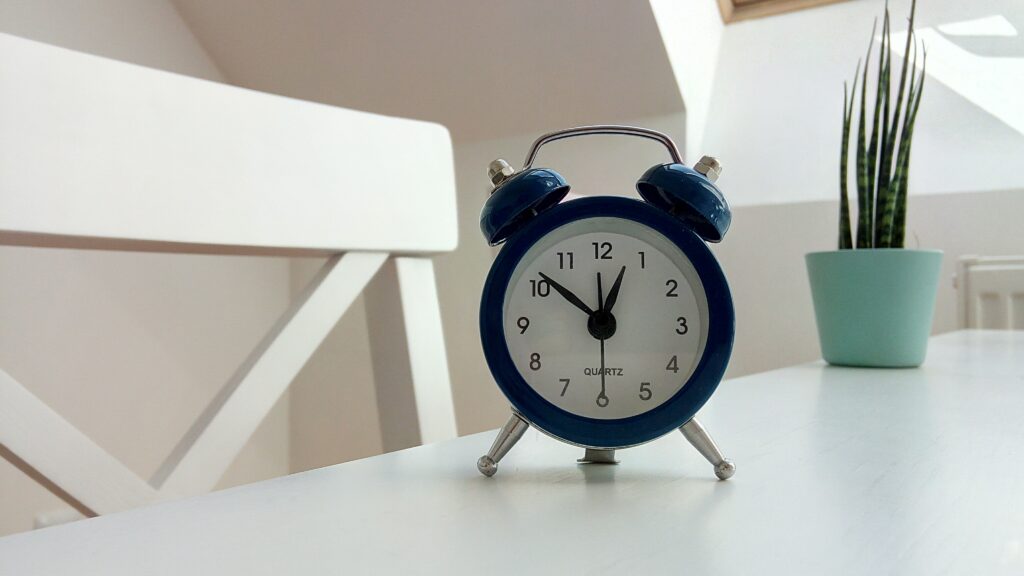
The use of “AM” and “PM” in timekeeping has become a universal convention that helps to differentiate between morning and afternoon/evening hours. Understanding the concept of “PM” and its implications in timekeeping is essential for effective communication and coordination in various aspects of daily life, such as scheduling appointments, planning events, and using transportation systems.
The origin of the “AM” and “PM” notation can be traced back to the ancient practice of using sundials to tell time. Sundials are timekeeping devices that use the position of the sun to indicate the time of day. As the sun moves across the sky, the shadow cast by the sundial’s gnomon (a raised edge that casts the shadow) changes, allowing people to estimate the time based on the position of the shadow.
However, sundials are only effective during daylight hours, and they are unable to accurately indicate time during the night. To overcome this limitation, early timekeepers began using a 12-hour system, with “AM” representing the time from midnight to noon and “PM” representing the time from noon to midnight. This system allowed for a consistent way of representing time regardless of whether it was day or night.
In modern times, the use of “AM” and “PM” has become an integral part of our daily lives, and it is used in various contexts. For instance, in scheduling appointments or events, it is essential to specify whether the time is in the morning or afternoon/evening to avoid confusion. In transportation systems, such as buses, trains, and flights, “AM” and “PM” are used to indicate departure and arrival times, helping passengers plan their journeys accordingly.
Furthermore, the 12-hour clock system with “AM” and “PM” is commonly used in many countries, particularly in English-speaking countries, although there are some variations in different regions. In some countries, such as the United States and Canada, the “AM/PM” notation is prevalent, while in others, such as the United Kingdom and Australia, the “AM/PM” notation is used, but the 24-hour clock system (also known as military time) is also commonly used in formal or professional settings.
It’s important to note that the “PM” notation is used to indicate the time period after noon until midnight. For example, 1:00 PM refers to one hour after noon, which is in the afternoon. Similarly, 11:00 PM refers to 11 hours after noon, which is in the late evening.
In some cases, there might be confusion or ambiguity when using the “AM” and “PM” notation, particularly when specifying midnight or noon. For example, 12:00 PM could be interpreted as either noon or midnight, depending on the context. To avoid confusion, it’s common to use “noon” or “midnight” instead of “12:00 PM” or “12:00 AM” when referring to these specific times.
In conclusion, “PM” in the 12-hour clock system represents the time period from noon to midnight. It is a widely used notation to indicate afternoon and evening hours in various aspects of daily life, including scheduling appointments, planning events, and using transportation systems.