The Alaska Pipeline, officially known as the Trans-Alaska Pipeline System (TAPS), is a major oil pipeline system that spans 800 miles from Prudhoe Bay in Alaska’s North Slope to the port of Valdez on the southern coast. The pipeline was completed in 1977 and has been a critical component of Alaska’s economy ever since. The pipeline was designed to transport crude oil from Alaska’s North Slope to the southern coast, where it is loaded onto tankers for transport to refineries on the U.S. West Coast and beyond.
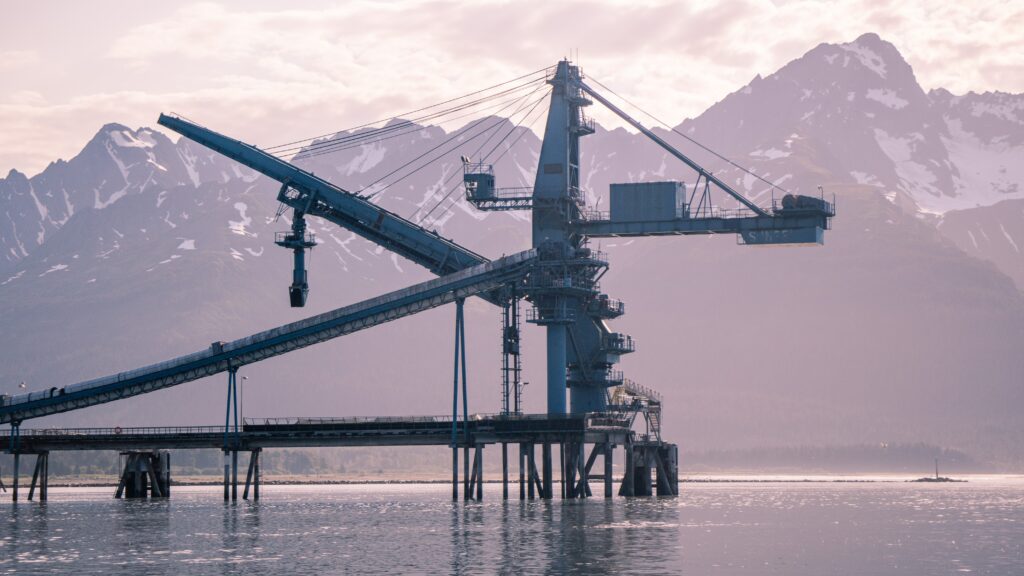
So, to answer the question, yes, the Alaskan Pipeline is still pumping oil. In fact, it remains a vital part of Alaska’s economy and the United States’ oil supply. The pipeline is owned and operated by the Alyeska Pipeline Service Company, a consortium of oil companies that includes BP, ExxonMobil, and ConocoPhillips, among others.
The pipeline has had its share of challenges over the years, including spills, leaks, and other incidents. However, the pipeline’s owners have invested heavily in maintenance and safety measures to ensure that the pipeline continues to operate safely and efficiently. The pipeline is monitored around the clock, and any issues are addressed quickly to minimize the risk of a spill or other incident.
One of the challenges that the pipeline faces is declining oil production in Alaska. The pipeline was designed to transport up to 2.1 million barrels of oil per day, but current production levels are much lower, averaging around 500,000 barrels per day. This decline in production has raised concerns about the pipeline’s long-term viability and the future of Alaska’s oil industry.
To address these concerns, the pipeline’s owners have explored new oil exploration and production opportunities in the North Slope, as well as new methods for extracting oil from existing wells. Additionally, the pipeline’s owners have explored the possibility of transporting other types of energy resources through the pipeline, such as natural gas and hydrogen.
Despite these challenges, the Alaskan Pipeline remains a critical part of Alaska’s economy and the United States’ energy infrastructure. The pipeline provides thousands of jobs and generates billions of dollars in revenue each year. Additionally, the pipeline plays a critical role in ensuring that the United States has a reliable source of domestic oil, reducing the country’s reliance on foreign oil.
In recent years, there have been efforts to limit the use of fossil fuels and transition to cleaner, renewable sources of energy. This has led some to question the future of the Alaskan Pipeline and other oil infrastructure. However, it is likely that oil will continue to play a significant role in the global energy mix for years to come, and the Alaskan Pipeline will remain a critical part of that mix.
In conclusion, the Alaskan Pipeline is still pumping oil and remains a vital part of Alaska’s economy and the United States’ energy infrastructure. While the pipeline has faced its share of challenges over the years, its owners have invested heavily in maintenance and safety measures to ensure that it continues to operate safely and efficiently. While there are concerns about declining oil production in Alaska and the future of the oil industry, it is likely that the pipeline will continue to play a significant role in the global energy mix for years to come.