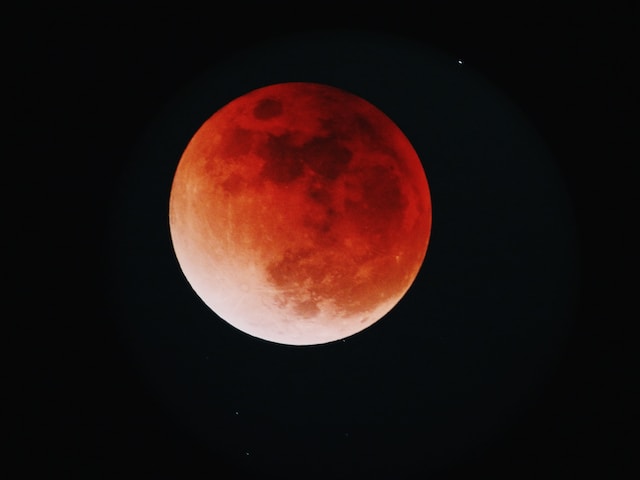
The phenomenon of a blood moon occurs when the Earth passes between the sun and the moon, casting a reddish hue on the lunar surface. This celestial occurrence has captivated humans for centuries and has been the subject of various cultural beliefs and superstitions. While many people believe that the blood moon has a profound impact on human behavior and emotions, there is no scientific evidence to support this claim. In this article, we will explore the myth and science behind the blood moon and its effect on humans.
Cultural Beliefs and Superstitions
Throughout history, many cultures have attributed supernatural powers and events to the blood moon. In ancient times, the Maya believed that a blood moon was a sign of impending doom, while the Chinese believed that the red hue was caused by a dragon trying to swallow the moon. In Hindu mythology, the blood moon was said to be a result of a demon who had stolen the moon and was now trying to consume it.
In more recent times, some people have associated the blood moon with various natural disasters and tragic events. For example, in 2014, a blood moon occurred on the same day as a massive earthquake in Chile, leading some to believe that the two events were somehow connected. However, there is no scientific evidence to support such claims.
Scientific Explanation
From a scientific perspective, the blood moon is simply a result of the Earth’s atmosphere scattering sunlight. When the sun’s rays pass through the Earth’s atmosphere, the shorter blue wavelengths are scattered, while the longer red wavelengths pass through and are reflected off the moon’s surface. This creates the characteristic reddish hue of a blood moon.
While the blood moon may be a fascinating celestial event, there is no evidence to suggest that it has any direct impact on human behavior or emotions. The gravitational forces of the moon can cause tides on Earth, but the difference in gravitational pull during a blood moon is too small to have any noticeable effect on human behavior.
Psychological Effects
While there may be no direct physiological effects of the blood moon on humans, it is possible that the phenomenon could have some psychological impact. Some people may experience a sense of awe or wonder when witnessing the blood moon, which could lead to positive emotions and a sense of connection with the universe. On the other hand, some people may feel anxious or fearful due to cultural beliefs or superstitions surrounding the blood moon.
Conclusion
In conclusion, while the blood moon may be a fascinating and captivating celestial event, there is no evidence to suggest that it has any direct physiological effects on humans. However, it is possible that the blood moon could have some psychological impact, depending on an individual’s cultural beliefs and personal experiences. Ultimately, the blood moon is a natural phenomenon that we should appreciate and enjoy for its beauty and wonder, rather than fearing or attributing it with supernatural powers.