The decomposition of a body in the royal vault depends on several factors such as the environment, the preparation of the body, and the type of vault. In general, decomposition in a sealed royal vault can be delayed due to the lack of oxygen and moisture, but it still occurs, albeit at a slower rate compared to an unsealed burial.
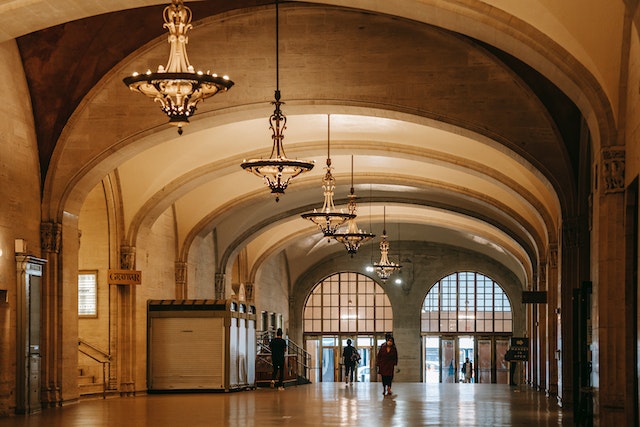
One example of a royal vault where decomposition occurs is the Royal Crypt at St. Denis Basilica in Paris. This vault contains the remains of French monarchs from the 10th to the 18th century, including Louis XVI and Marie Antoinette. The bodies were originally buried in coffins, but during the French Revolution, their remains were exhumed and placed in lead coffins before being reinterred in the crypt.
Lead coffins have been known to slow down the process of decomposition due to their airtight and waterproof nature. However, over time, the lead may corrode, allowing air and moisture to enter the coffin and accelerate decomposition. The temperature and humidity of the vault can also affect the decomposition rate. The Royal Crypt at St. Denis is generally cool and dry, which can slow down the decomposition process.
Another factor that can impact decomposition is embalming. Embalming is the process of preserving a body by treating it with chemicals to prevent decay. In some cases, embalming can delay decomposition for several months or even years, depending on the quality of the embalming and the environment in which the body is placed. However, embalming was not widely practiced in the past, and even when it was, the methods used were not as effective as modern techniques.
In addition, the type of burial vault can affect the decomposition process. A sealed vault, such as those used in the Royal Crypt at St. Denis, can slow down the process of decomposition due to the lack of oxygen and moisture. However, a sealed vault can also trap gases produced during decomposition, which can cause the body to bloat and eventually burst. This is known as “coffin explosion” and has been documented in several cases throughout history.
Moreover, the type of soil can also impact decomposition. In some cases, bodies buried in sandy soil can decompose faster due to the increased oxygen and moisture levels. In contrast, bodies buried in clay soil may decompose slower due to the lack of oxygen and moisture. The Royal Crypt at St. Denis is built on a foundation of limestone, which can slow down the process of decomposition due to its hardness and low porosity.
Lastly, the age of the body can also impact the decomposition process. In general, younger bodies decompose faster than older bodies due to the higher water content and more active microbial communities in younger bodies. However, this factor may not be as relevant in royal burials, as most royals were embalmed and placed in sealed coffins.
In conclusion, the decomposition of a body in a royal vault depends on several factors, including the environment, the preparation of the body, and the type of vault. While a sealed vault can delay decomposition, it still occurs, albeit at a slower rate. Embalming can also delay decomposition, but its effectiveness depends on the quality of the embalming and the environment in which the body is placed. Additionally, the type of soil, the age of the body, and other factors can also impact the decomposition process. Ultimately, the body will decompose, but the rate at which it does so depends on various factors that can either accelerate or slow down the process.