Growing eggplants in your garden can be a rewarding experience. This versatile vegetable thrives in warm weather and can be used in a variety of dishes, making it a great addition to your home garden.
This guide provides essential information on how to successfully grow eggplants, from selecting the right variety to caring for the plants throughout the growing season.
Creating the Perfect Environment for Eggplants
Eggplants flourish in warm climates, making it essential to choose the right location in your garden. Look for a sunny spot that enjoys at least 6-8 hours of sunlight daily. This exposure is vital for healthy growth and fruit production.
Soil quality plays a significant role in the success of your eggplant plants. Opt for well-draining soil enriched with compost or organic fertilizer. This ensures that the plants receive the necessary nutrients while preventing waterlogging, which can harm the roots.
Choosing the Right Eggplant Variety
When selecting eggplant seeds or seedlings, consider the variety that best suits your culinary needs and garden conditions. Common types include globe, Italian, and Japanese eggplants, each offering unique flavors and textures.
Starting seeds indoors 8-10 weeks before the last frost date is a great way to get a head start. Alternatively, if you prefer to transplant seedlings, wait until the danger of frost has passed to ensure their survival.
Watering and Mulching Techniques
Consistent watering is crucial for eggplant health. Aim to keep the soil moist but not soggy, watering deeply once a week. During particularly hot spells, you may need to increase the frequency to prevent stress on the plants.
Applying mulch around the base of the plants can help retain moisture and suppress weed growth. Straw or wood chips are excellent options that not only protect the soil but also enhance its fertility as they decompose.
Fertilization for Optimal Growth
To promote vigorous growth and a bountiful harvest, feed your eggplants with a balanced fertilizer every 4-6 weeks throughout the growing season. This practice supports the plants in developing strong stems and abundant fruit.
Monitoring the plants for signs of nutrient deficiency is important. Yellowing leaves or stunted growth may indicate that it’s time to adjust your fertilization routine.
Harvesting Your Eggplants
Knowing when to harvest is key to enjoying the best flavor and texture from your eggplants. Look for firm, glossy fruits that are typically 6-8 inches long. Picking them at this stage ensures they are tender and flavorful.
Using a sharp knife or garden shears, cut the eggplants from the plant, leaving a small portion of the stem attached. This method helps prevent damage to the plant and encourages further fruit production.
Enjoying Your Bountiful Harvest
Once harvested, eggplants can be used in a variety of dishes, from hearty casseroles to light salads. Their versatility makes them a wonderful addition to any meal.
With proper care and attention, your garden bed filled with lush green eggplant plants will not only be a sight to behold but also a source of delicious produce for your kitchen.
Complete Guide to Growing Eggplants
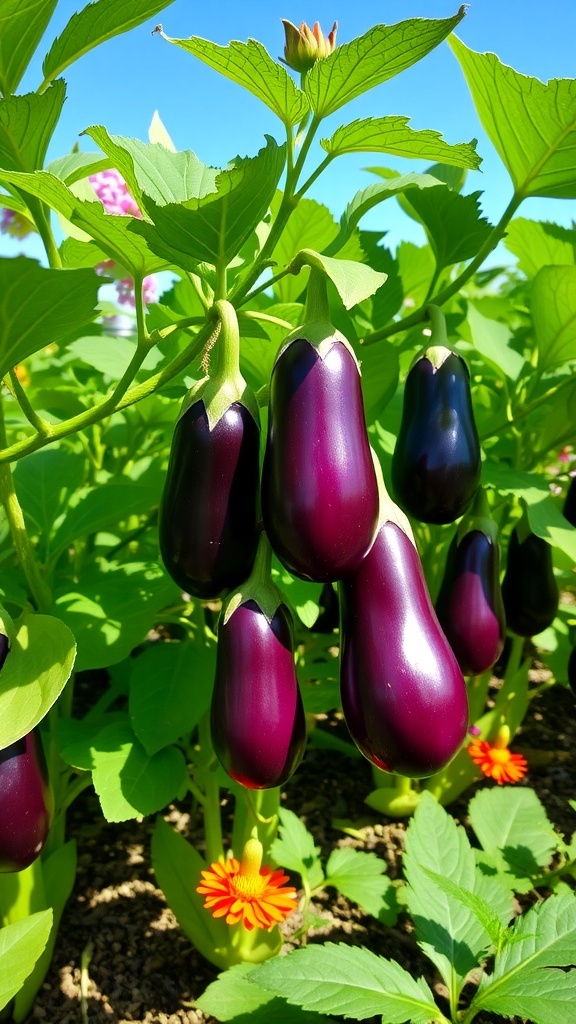
Eggplants, also known as aubergines, require full sun and well-drained soil to flourish. With proper care, you can enjoy a bountiful harvest of these delicious vegetables.
Ingredients
- Eggplant seeds or seedlings
- Well-draining soil
- Compost or organic fertilizer
- Mulch (straw or wood chips)
- Watering can or hose
Instructions
- Choose a Location: Select a sunny spot in your garden that receives at least 6-8 hours of sunlight each day.
- Prepare the Soil: Amend the soil with compost or organic fertilizer to ensure it is nutrient-rich and well-draining.
- Plant the Seeds: Sow eggplant seeds indoors 8-10 weeks before the last frost date or transplant seedlings outdoors after the danger of frost has passed.
- Water Regularly: Keep the soil consistently moist but not waterlogged. Water the plants deeply once a week, increasing frequency during hot weather.
- Apply Mulch: Use mulch around the base of the plants to retain moisture and suppress weeds.
- Fertilize: Feed the plants with a balanced fertilizer every 4-6 weeks during the growing season.
- Harvest: Pick the eggplants when they are firm and glossy, typically when they reach 6-8 inches in length.
Cook and Prep Times
- Prep Time: 15 minutes
- Grow Time: 70-90 days
- Total Time: Varies by planting method
- Servings: Varies based on harvest
- Calories: 20 kcal per 100g
- Fat: 0.2g
- Protein: 1g
- Carbohydrates: 5g
Related
- Crispy Fried Eggplant with Garlic and Herbs
- Classic Eggplant Parmesan Recipe
- Crispy Italian Breaded Eggplant Recipe
- Savory Stuffed Eggplant Recipe