An Ethernet hard drive is a kind of external storage device that links to a network using an Ethernet cable, which permits users to store and access data remotely. This essay delves into the characteristics and advantages of Ethernet hard drives and how they can enhance the efficiency and accessibility of data storage.
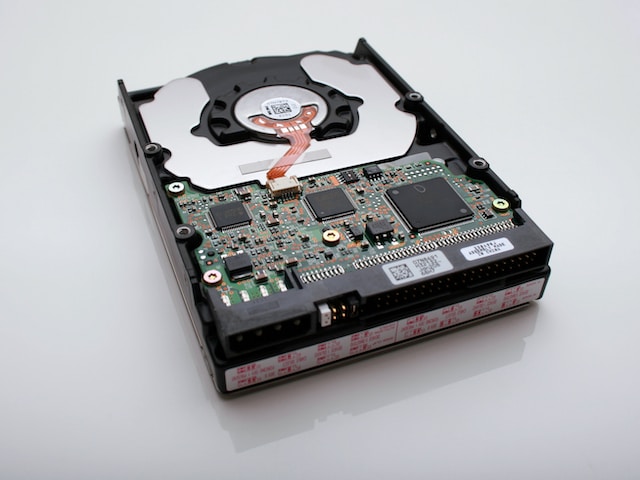
Characteristics of Ethernet Hard Drives
Network Connectivity The most prominent feature of an Ethernet hard drive is its network connectivity. By connecting via Ethernet cable, users can access the drive from multiple devices on the same network, making it an ideal solution for shared data storage. This also allows for remote access to the drive, so users can access their data from anywhere with an internet connection.
Large Storage Capacity Ethernet hard drives usually offer significant storage capacities, ranging from a few terabytes to multiple petabytes. This makes them an ideal solution for storing large amounts of data, such as media files, documents, and backups.
File Sharing Ethernet hard drives also frequently include file sharing features, allowing multiple users to access and work together on the same files. This makes it an ideal solution for small businesses or teams working on shared projects.
Automatic Backup Numerous Ethernet hard drives incorporate automatic backup features, enabling users to schedule backups of their data at regular intervals. This helps to ensure that essential data is always backed up and can be easily restored in case of data loss or system failure.
Advantages of Ethernet Hard Drives
Ease of Use Ethernet hard drives are straightforward to use and set up. They require no special software or drivers and can be accessed from any device connected to the same network. This makes them an ideal solution for users who need simple and efficient data storage.
Remote Access The remote access feature of Ethernet hard drives is particularly useful for users who need to access their data from multiple locations. By accessing the drive remotely, users can work on their files from anywhere, without needing to carry the drive with them.
Collaboration Ethernet hard drives also promote collaboration by allowing multiple users to access and edit the same files. This makes it an ideal solution for small businesses or teams who need to work on shared projects.
Security Ethernet hard drives usually incorporate security features, such as user authentication and encryption, to protect against unauthorized access. This helps to ensure that sensitive data is secure and can only be accessed by authorized users.
Disadvantages of Ethernet Hard Drives
Speed One of the significant downsides of Ethernet hard drives is their speed. Because they depend on network connectivity, Ethernet hard drives can be slower than directly connected external hard drives. This can be a concern for users who require fast data transfer speeds.
Cost Ethernet hard drives are typically more expensive than traditional external hard drives. This can be a barrier for some users, particularly those who only require basic data storage solutions.
Dependence on Network Ethernet hard drives rely on network connectivity. This means that if the network goes down or experiences connectivity issues, users may not be able to access their data. This can be a concern for users who require constant access to their data.
Conclusion
In summary, Ethernet hard drives are a convenient solution for shared data storage and remote access. Their network connectivity, large storage capacity, and file sharing features make them an ideal solution for small businesses or teams working on shared projects. However, their speed, cost, and dependence on network connectivity may be a concern for some users. Ultimately, whether to use an Ethernet hard drive depends on the user’s specific needs and preferences.