Instant dry yeast is a convenient and reliable leavening agent for baking bread and other baked goods. It requires no proofing and can be mixed directly with dry ingredients, making it a popular choice for home bakers.
This guide provides practical tips on how to use instant dry yeast effectively, ensuring your baked goods rise perfectly every time.
Understanding Instant Dry Yeast
Instant dry yeast is a popular choice among home bakers for its convenience and reliability. Unlike traditional yeast, it does not require proofing, which means it can be mixed directly with dry ingredients.
This feature makes it an ideal option for those looking to streamline their baking process. With instant dry yeast, you can achieve delightful results in less time, allowing you to focus on enjoying the baking experience.
How to Use Instant Dry Yeast
Using instant dry yeast is straightforward. It can be incorporated into various recipes, such as bread, rolls, and pizza dough. Typically, it is combined with flour and other dry ingredients before adding any liquids.
The yeast activates quickly, which leads to faster rising times. This efficiency is particularly beneficial when you’re eager to enjoy freshly baked goods without the long wait.
Measuring Your Ingredients
When using instant dry yeast, accurate measurement is key. A general guideline is to use about 1 teaspoon of yeast for every 2-3 cups of flour in your recipe.
Combining the yeast with flour, sugar, and salt in a large bowl ensures even distribution, which is essential for optimal rising. This step sets the foundation for a successful bake.
Adding Liquid for Activation
The next step involves adding warm water or milk to the dry mixture. The liquid temperature should be around 120°F (49°C) to effectively activate the yeast.
Gradually incorporating the liquid helps to form a cohesive dough. This process is crucial, as it allows the yeast to begin its work in leavening the dough.
Kneading and Rising
Once the dough forms, kneading it for about 8-10 minutes is essential to develop gluten, which gives the bread its structure. A smooth and elastic dough is a sign that you’ve kneaded it sufficiently.
After kneading, place the dough in a greased bowl, cover it with a damp cloth, and let it rise in a warm area. This first rise usually takes about 1-2 hours, during which the dough should double in size.
Shaping and Second Rise
After the first rise, gently punch down the dough to release any air bubbles. Shape it according to your recipe’s requirements, whether it’s for loaves or rolls.
The dough will then undergo a second rise, lasting about 30-60 minutes. This final step is crucial for achieving the desired texture and volume in your baked goods.
Using Instant Dry Yeast in Baking
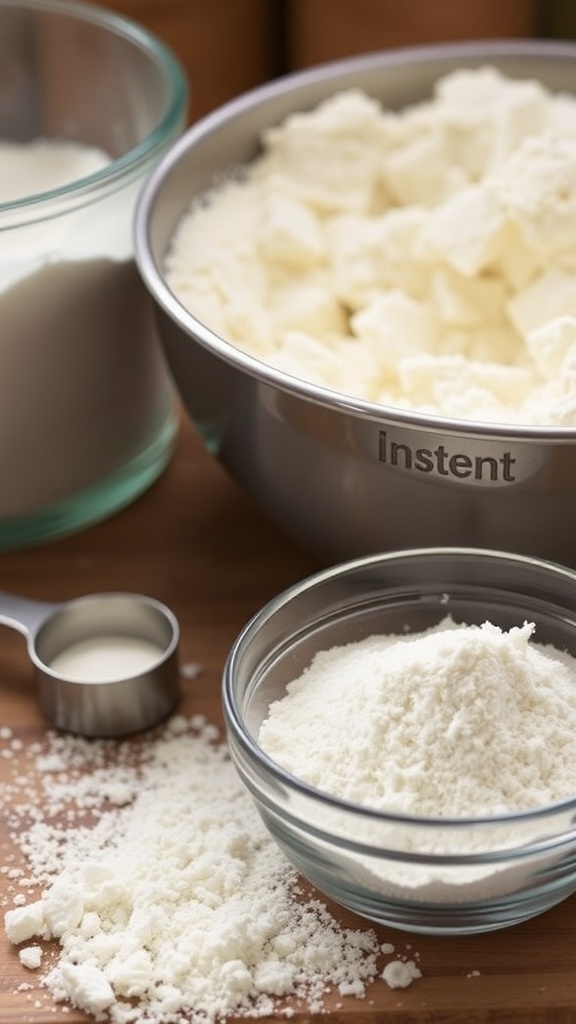
Instant dry yeast can be used in various recipes, including bread, rolls, and pizza dough. It is typically added to flour and other dry ingredients before mixing with liquids. The yeast activates quickly, allowing for faster rising times.
Ingredients
- Instant dry yeast
- Flour
- Water or milk
- Sugar (optional)
- Salt
Instructions
- Measure the Yeast: Use about 1 teaspoon of instant dry yeast for every 2-3 cups of flour in your recipe.
- Combine Dry Ingredients: Mix the instant dry yeast with the flour, sugar, and salt in a large bowl.
- Add Liquid: Gradually add warm water or milk to the dry mixture. The liquid should be around 120°F (49°C) to activate the yeast.
- Mix and Knead: Stir until a dough forms, then knead for about 8-10 minutes until smooth and elastic.
- First Rise: Place the dough in a greased bowl, cover it with a damp cloth, and let it rise in a warm place until doubled in size, usually about 1-2 hours.
- Shape and Second Rise: Punch down the dough, shape it as desired, and let it rise again for about 30-60 minutes before baking.
Cook and Prep Times
- Prep Time: 15 minutes
- Rise Time: 1-2 hours for first rise, 30-60 minutes for second rise
- Total Time: Approximately 2-3 hours
- Servings: Varies based on recipe
- Calories: Varies based on ingredients used