A hard drive cache is a type of memory found in a hard disk drive (HDD) that enhances its overall performance. It achieves this by storing frequently accessed data temporarily in a small high-speed memory space. This stored data can include operating system files, application data, and other frequently used files.
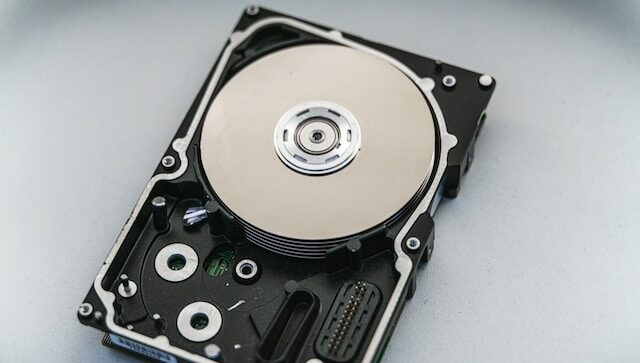
The working principle of hard drive caching involves the HDD controller board checking the cache memory when the computer requests data from the drive. If the requested data is already stored in the cache memory, it is immediately returned to the computer. If not, the HDD retrieves the data from the disk platters and stores it in the cache memory for future use.
Hard drive caching is efficient because most computer operations involve a small amount of data that is frequently accessed. By storing this data in the cache memory, the HDD can reduce the amount of time taken to access it, which improves the overall drive’s performance.
The benefits of hard drive caching include improved performance, faster boot times, faster application launches, and extended HDD lifespan. By storing frequently accessed data in cache memory, hard drive caching reduces the number of times the drive has to access the disk platters, thus reducing wear and tear on the drive.
However, hard drive caching also has some drawbacks. For example, it can increase the risk of data loss in the event of a power failure or system crash. Data stored in cache memory is not permanently written to the disk platters, and it can be lost if the computer loses power before the data is written to the drive. To mitigate this risk, many HDDs use write-through caching, which immediately writes data to the disk platters as it is written to the cache memory.
Hard drive caching can also be less effective for larger files or files that are accessed infrequently. Since the cache memory is limited in size, it may not be able to store all frequently accessed data on the drive. Moreover, if a file is accessed infrequently, it may be removed from the cache memory to make room for more frequently accessed data.
In conclusion, hard drive caching is a useful technique that improves the performance of HDDs. By temporarily storing frequently accessed data in high-speed cache memory, hard drive caching reduces the time taken to access this data, which improves overall system performance. Despite some potential drawbacks, such as the risk of data loss in the event of a power failure, the benefits of improved performance and extended HDD lifespan make it a worthwhile technique for many users.