Hard drives, also known as hard disk drives (HDD), are data storage devices that are essential components of computers and other electronic devices. They are used to store and retrieve digital information using magnetic storage, where data is recorded on a series of spinning platters. Over the years, hard drives have undergone significant changes in terms of their capacity, speed, and reliability.
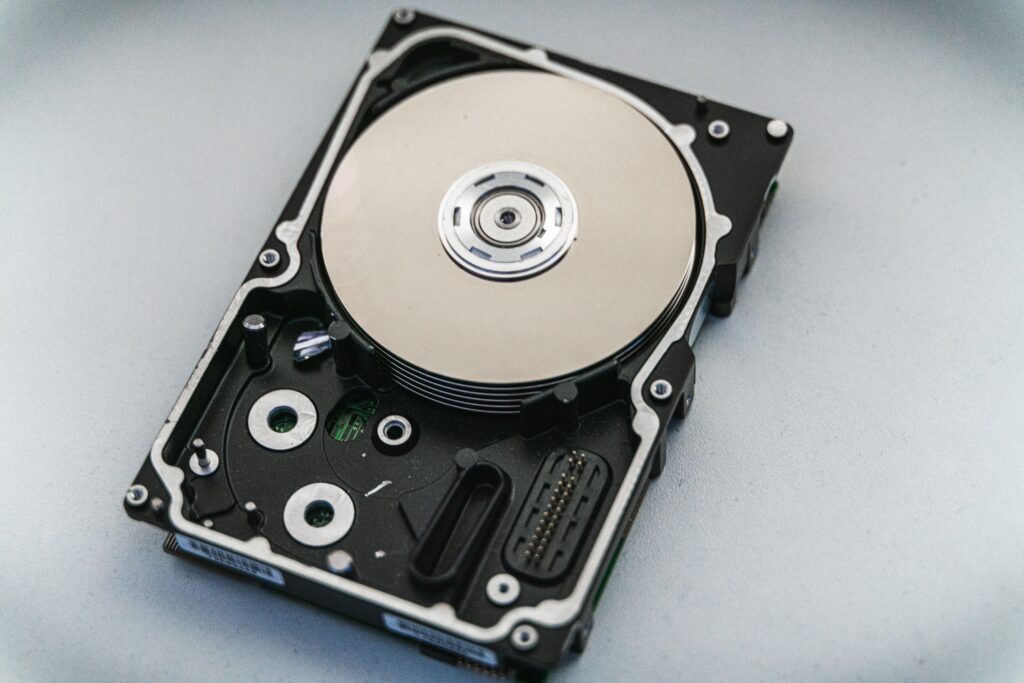
Hard drives have evolved from their early beginnings in the 1950s when they were massive and expensive devices, with very limited storage capacity. The first commercial hard drive, introduced in 1956 by IBM, had a storage capacity of just 5MB and weighed over a ton. The hard drives of today, however, are much more compact, have much higher storage capacity, and are much faster and more reliable.
One of the biggest advantages of hard drives is their ability to store large amounts of data. Today, hard drives can store up to tens of terabytes of data, making them ideal for large-scale storage of multimedia files, such as videos, photos, and music. In addition, hard drives are available in a wide range of form factors, including 2.5-inch and 3.5-inch sizes, making them suitable for use in laptops, desktops, and servers.
Another advantage of hard drives is their relatively low cost per gigabyte compared to other storage technologies such as solid-state drives (SSD). Although SSDs offer faster read and write speeds, they are still more expensive than hard drives when it comes to large-scale storage.
Hard drives consist of a number of mechanical and electronic components. The main components of a hard drive include the platters, the read/write heads, the actuator arm, the spindle motor, and the control electronics. The platters are circular disks made of aluminum or glass coated with a magnetic material. Data is stored on the platters in the form of magnetic fields. The read/write heads, which are mounted on the actuator arm, are used to read and write data to the platters. The spindle motor rotates the platters at high speeds, typically ranging from 5,400 to 15,000 revolutions per minute (RPM).
One of the biggest disadvantages of hard drives is their susceptibility to damage from physical shock or vibration. Since hard drives use mechanical components, any shock or vibration can cause the read/write heads to crash into the platters, resulting in data loss. To mitigate this risk, hard drives are often designed with shock-resistant technology, such as accelerometers, that detect when the drive is in free-fall and automatically parks the heads to prevent damage.
Another disadvantage of hard drives is their susceptibility to failure over time. The moving parts of a hard drive, such as the spindle motor and the actuator arm, can wear out over time, leading to failure of the drive. In addition, the magnetic coating on the platters can degrade over time, resulting in data loss. To minimize the risk of data loss due to drive failure, it is recommended to regularly back up important data to a secondary storage device or to the cloud.
In conclusion, hard drives are an essential component of modern computers and electronic devices. They offer high storage capacity at a relatively low cost per gigabyte compared to other storage technologies. However, they are susceptible to damage from physical shock and vibration, and they can also fail over time due to wear and tear. As such, it is important to take appropriate precautions to ensure the integrity of stored data, such as regular backups and the use of shock-resistant technology.