HDMI home theater receivers are a critical component in a modern home entertainment system that delivers high-quality audio and video. An HDMI home theater receiver allows users to connect multiple audio and video sources, such as a Blu-ray player, gaming console, cable/satellite box, and streaming media player, to a single device and then connect it to a TV or a projector for an immersive home theater experience.
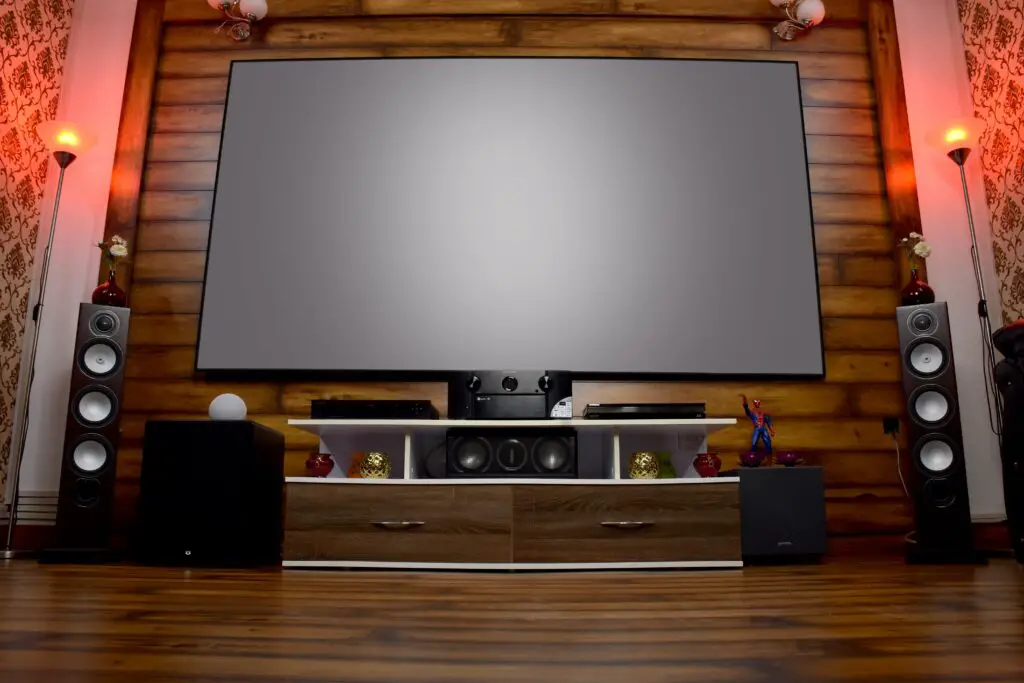
One of the main benefits of an HDMI home theater receiver is the ability to support a wide range of audio and video formats. For example, the latest HDMI 2.1 specification supports 4K resolution at 120Hz, HDR10, HLG, and Dolby Vision, providing users with the best possible video quality. On the audio side, HDMI home theater receivers support a range of audio formats, including Dolby Atmos, DTS:X, and Auro 3D. These audio formats allow users to enjoy immersive audio experiences, where sounds come from all directions, creating a more realistic and engaging audio experience.
Another important feature of HDMI home theater receivers is multi-channel audio. These receivers support 5.1, 7.1, or even 9.1 surround sound, allowing users to experience audio in a more immersive way. Multi-channel audio means that different sounds can come from different speakers, making it feel like sounds are coming from different directions. For example, when watching a movie with a helicopter flying overhead, users can hear the sound of the helicopter coming from the speakers above them, creating a more realistic experience.
HDMI home theater receivers also offer a range of connectivity options, including HDMI, Bluetooth, Wi-Fi, and Ethernet. HDMI is the most common connection type used for audio and video devices, and most HDMI home theater receivers offer multiple HDMI inputs and outputs, allowing users to connect multiple devices to the receiver. Bluetooth and Wi-Fi connectivity options allow users to connect their devices wirelessly to the receiver, while Ethernet provides a more reliable and stable connection for streaming media.
Amplification is another key feature of HDMI home theater receivers. Most HDMI home theater receivers come with built-in amplifiers that provide high-quality sound to speakers. The built-in amplifier eliminates the need for a separate amplifier, reducing clutter and saving space. The power output of the amplifier and the number of channels it supports determine the quality and number of speakers that can be connected to the receiver.
Most HDMI home theater receivers come with a remote control that allows users to adjust the volume, change inputs, and control other functions. The remote control makes it easy to switch between different sources and adjust the settings to suit their preferences. Some HDMI home theater receivers also come with smart features, such as voice control, app control, and support for streaming services like Spotify, Pandora, and Tidal. These smart features allow users to control their home entertainment system using their voice or smartphone, making it more convenient and user-friendly.
Finally, HDMI home theater receivers are designed to be future-proof, meaning they support the latest audio and video formats and can be upgraded with firmware updates. This ensures that users can enjoy the latest technology without having to replace their receiver.