Assembling a PC requires choosing the right components and the right case. A crucial factor to consider is airflow, and a high airflow PC case can help maintain an optimal operating temperature for the system’s components, promoting better performance and durability. This essay discusses the advantages of a high-airflow PC case and the factors to consider when selecting one.
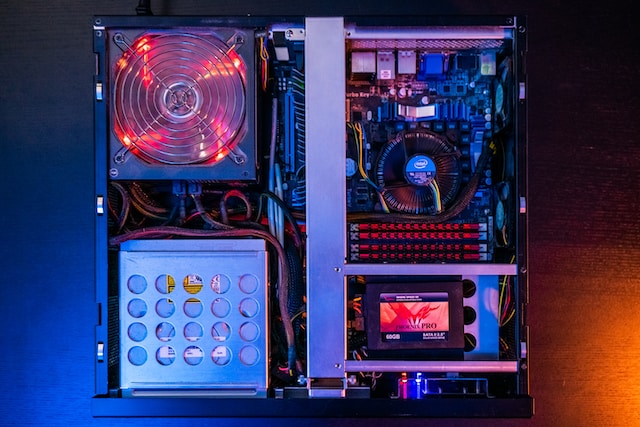
Advantages of a High Airflow PC Case:
Improved Cooling: A high airflow PC case facilitates better ventilation, which results in more cool air flowing through the system. This helps regulate the system’s components at a safe temperature, enhancing system stability and durability.
Reduced Noise: By maintaining a cooler temperature for the components, the fans work less, leading to reduced noise levels. Additionally, some high airflow cases incorporate noise-dampening materials, further reducing noise levels.
Improved Performance: A cooler system translates to efficient component operation, thereby improving the system’s performance. Demanding tasks like gaming and video editing benefit from better performance.
Factors to Consider when Selecting a High Airflow PC Case:
Design: A well-designed high-airflow PC case should have enough ventilation for optimal airflow while providing adequate protection for the components. Mesh or perforated front panels, and ventilation ports on the top, bottom, and rear of the case are crucial design aspects to consider.
Size: The size of the case should accommodate the components, providing enough space for the motherboard, graphics card, and other components. Larger fans tend to provide better cooling, making less noise than smaller ones.
Filters: Cases with improved ventilation attract more dust and debris, leading to clogged fans and reduced cooling efficiency. Removable and washable dust filters help to keep the components clean and debris-free.
Noise Reduction: Noise-dampening materials, like sound-absorbing foam and rubber grommets, help reduce noise levels. Fans that operate at lower speeds also tend to be quieter while providing adequate cooling.
Price: Consider the budget and needs when selecting a high-airflow PC case. While expensive cases may have better ventilation and more features, there are affordable options that provide good airflow and component protection.
Conclusion:
In conclusion, a high airflow PC case is a crucial aspect of building a computer system. Improved cooling, reduced noise, and improved performance make it worthwhile investing in a well-designed case that accommodates the system’s components. Factors to consider when selecting a high airflow PC case include design, size, filters, noise reduction, and price. These considerations ensure that the system remains cool, and quiet, and performs optimally.