Potassium is an essential mineral that plays a crucial role in various physiological processes in the human body, including muscle function, nerve transmission, and maintaining proper fluid balance. Abnormal potassium levels can lead to serious health conditions, such as muscle weakness, irregular heartbeat, and even life-threatening cardiac arrhythmias. Monitoring your potassium levels regularly is important, especially if you have a medical condition that affects potassium balance or if you are taking medications that can affect potassium levels. While checking potassium levels at home is not a substitute for professional medical testing, there are some methods that can provide you with an indication of your potassium status. In this article, we will explore some ways to check your potassium level at home.
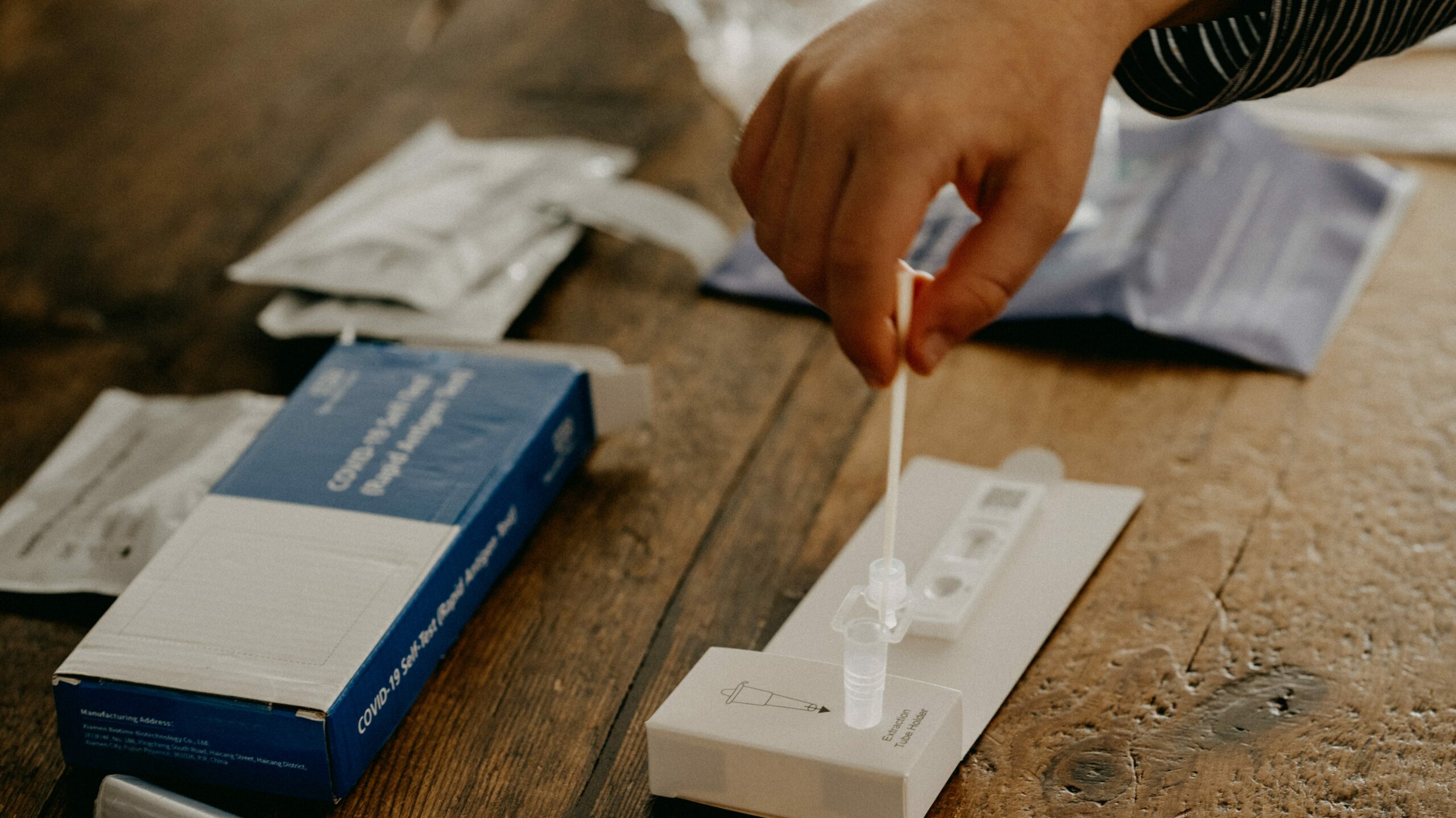
- Home Potassium Test Kits: There are home test kits available in the market that allow you to measure your potassium levels at home. These kits typically come with all the necessary materials and instructions for collecting a blood sample, which is then sent to a laboratory for analysis. The laboratory will measure the potassium concentration in the blood sample and provide you with the results. It’s important to follow the instructions provided with the test kit carefully to ensure accurate results.
- Symptom Monitoring: Monitoring your body for symptoms that may indicate abnormal potassium levels can also be a helpful way to check your potassium level at home. Symptoms of low potassium (hypokalemia) may include weakness, fatigue, muscle cramps, constipation, and irregular heartbeat. On the other hand, symptoms of high potassium (hyperkalemia) may include weakness, tingling or numbness, muscle paralysis, palpitations, and irregular heartbeat. If you experience any of these symptoms, it may be an indication that your potassium levels are not within the normal range, and you should seek medical attention for further evaluation.
- Dietary Assessment: Another way to assess your potassium level at home is by evaluating your dietary intake. Potassium is found in a wide variety of foods, including fruits (such as bananas, oranges, and avocados), vegetables (such as spinach, broccoli, and potatoes), dairy products, nuts, seeds, beans, and fish. Keeping a food diary and tracking your daily intake of potassium-rich foods can give you an idea of your overall potassium intake. If your diet is consistently low in potassium-rich foods, it may be an indication that your potassium levels could be suboptimal.
- Medication Review: Certain medications can affect potassium levels in the body. For example, diuretics (water pills) used to treat conditions such as high blood pressure or heart failure can increase potassium excretion in the urine, potentially leading to low potassium levels. On the other hand, some medications used to manage chronic kidney disease or other medical conditions can cause potassium levels to rise to dangerous levels. If you are taking any medications that may impact potassium levels, it’s important to review them with your healthcare provider and follow their recommendations for monitoring your potassium levels at home.
- Lifestyle Factors: Lifestyle factors can also influence potassium levels. For example, excessive alcohol consumption and strenuous exercise can lead to increased potassium excretion through urine and sweat, potentially affecting potassium levels. Dehydration can also lead to increased potassium concentration in the blood due to reduced kidney function. Therefore, maintaining healthy lifestyle habits, including moderate alcohol consumption, staying hydrated, and balancing exercise with adequate rest, can help support healthy potassium levels.
- Regular Medical Check-ups: While checking your potassium levels at home can provide some indications, it’s important to remember that professional medical testing is the most accurate and reliable way to assess your potassium levels. Regular medical check-ups, including blood tests, can provide a comprehensive evaluation of your overall health, including your potassium status. Your healthcare provider can order blood tests, including a basic metabolic panel or a complete blood count (CBC), which includes