Raw gold, also known as natural gold, is a type of gold that has not been processed or refined in any way. It is typically found in its natural state as a rock or mineral, and can be identified through a number of physical characteristics.
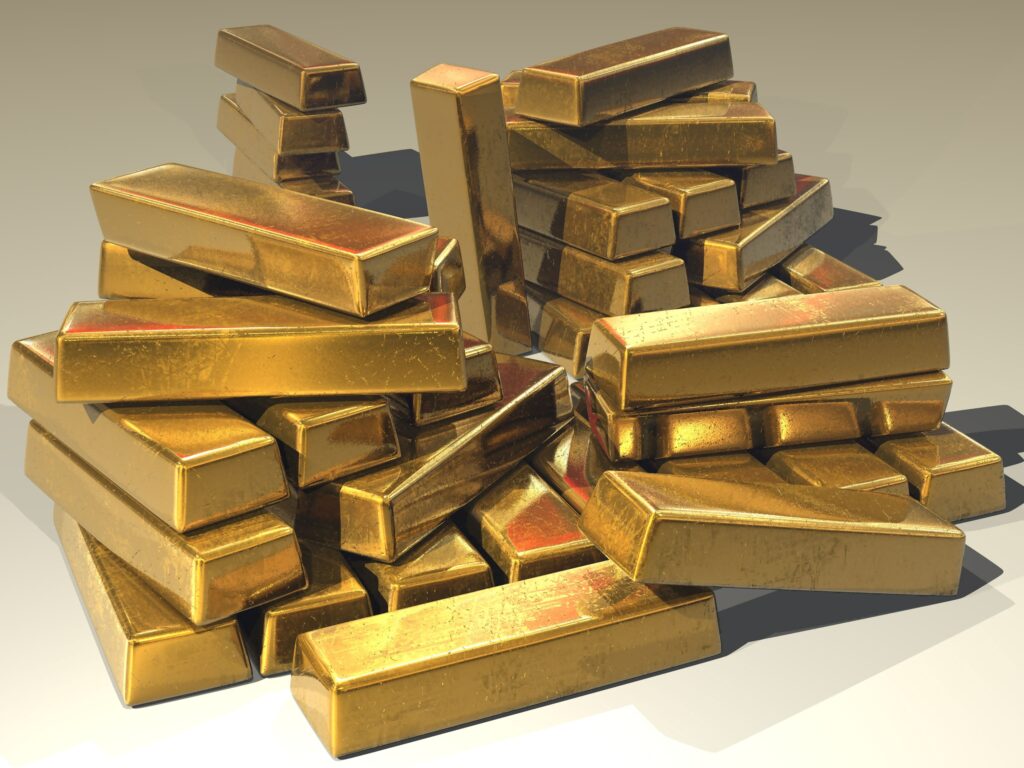
The first step in identifying raw gold is to look for any visible signs of gold within the rock or mineral. This can include small, shiny specks or flakes that are visible to the naked eye. However, not all raw gold will be visible to the naked eye, and some may require further testing to confirm their presence.
One of the most common tests used to identify raw gold is the “scratch test”. This involves taking a sample of the rock or mineral and rubbing it against a hard surface, such as a piece of glass. If the sample leaves a yellowish streak on the surface, it is likely to contain gold.
Another common test used to identify raw gold is the “acid test”. This involves using nitric acid to dissolve a small sample of the rock or mineral. If the sample dissolves completely, it is not gold. However, if it leaves behind a residue or a yellowish color, it may contain gold.
It is important to note that these tests should only be conducted by trained professionals, as they can be dangerous and should be performed with caution. Additionally, there are many other factors that can affect the appearance and composition of a rock or mineral, so it is important to consider all available information before making a determination about its gold content.
In addition to physical tests, there are several other factors that can be used to identify raw gold. One of the most important of these is the location where the rock or mineral was found. Gold is typically found in areas where there is a high concentration of minerals, such as quartz or pyrite. Additionally, gold is often found in or near bodies of water, such as rivers or streams.
Another important factor to consider when identifying raw gold is its weight and density. Gold is a very dense metal, and is much heavier than most other types of rock or mineral. This means that raw gold is typically much heavier than other rocks or minerals of a similar size.
Finally, it is important to note that raw gold is relatively rare and can be difficult to find. While there are many minerals that can be mistaken for gold, such as pyrite or chalcopyrite, true raw gold is a valuable commodity that has been prized for thousands of years. If you believe you have found raw gold, it is important to have it tested and valued by a qualified professional to ensure that you are receiving fair compensation for your discovery.
In conclusion, identifying raw gold can be a complex and challenging process that requires careful observation and testing. While there are several physical tests that can be used to identify gold, it is important to consider all available information before making a determination about its gold content. If you believe you have found raw gold, it is important to have it tested and valued by a qualified professional to ensure that you are receiving fair compensation for your discovery.