Alcohol consumption can significantly impair an individual’s ability to function and can affect their behavior, cognition, and physical abilities. One of the most common physical signs of alcohol intoxication is changes in the eyes. In this response, we will discuss the ways in which you can tell if someone is drunk with their eyes.
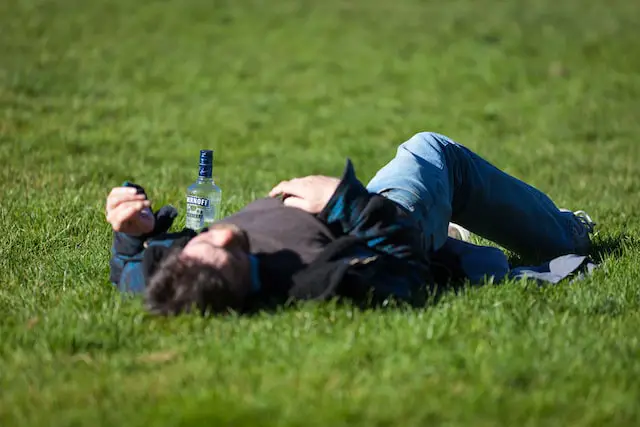
One of the most noticeable changes in the eyes that occurs with alcohol intoxication is called nystagmus. Nystagmus is a rapid, involuntary movement of the eyes that can occur in any direction. The most common form of nystagmus that occurs with alcohol intoxication is called horizontal gaze nystagmus (HGN). During HGN, the eyes will involuntarily move back and forth as the person attempts to look to the side. This occurs because alcohol consumption affects the vestibular system, which is responsible for regulating balance and eye movements. HGN is typically observed by a police officer during a sobriety test and is used as an indicator of alcohol intoxication.
Another way to tell if someone is drunk with their eyes is to look for redness and bloodshot eyes. Alcohol consumption can cause blood vessels in the eyes to dilate, resulting in a red or bloodshot appearance. This occurs because alcohol causes a decrease in blood pressure, which leads to a compensatory increase in blood flow to the eyes. The increased blood flow causes the blood vessels to expand, resulting in redness and bloodshot eyes. However, it is important to note that red eyes can also be caused by other factors such as allergies, dryness, or fatigue.
Droopy or sagging eyelids are another common sign of alcohol intoxication. This occurs because alcohol consumption can impair the function of the nervous system, which controls the muscles responsible for keeping the eyelids open. As a result, the eyelids may appear droopy or sagging, giving the person a sleepy or drowsy appearance.
Additionally, alcohol intoxication can cause pupils to become dilated or constricted. Pupil dilation is caused by the dilation of the blood vessels in the iris, which can occur as a result of alcohol consumption. Pupil constriction, on the other hand, is caused by the constriction of the muscles in the iris. The presence of either dilated or constricted pupils can be a sign of alcohol intoxication.
In some cases, alcohol consumption can also cause the eyes to become watery or teary. This occurs because alcohol can irritate the tear ducts and cause them to produce more tears than normal. Additionally, alcohol consumption can cause dehydration, which can also lead to dry eyes and increased tear production.
Finally, alcohol intoxication can affect a person’s ability to focus and track objects with their eyes. This occurs because alcohol consumption impairs the function of the brain, including the areas responsible for visual processing and eye movements. As a result, a person who is intoxicated may have difficulty focusing on objects or tracking them with their eyes.
In conclusion, there are several ways to tell if someone is drunk with their eyes. Nystagmus, redness and bloodshot eyes, droopy or sagging eyelids, pupil dilation or constriction, watery or teary eyes, and difficulty focusing or tracking objects with the eyes are all signs that can indicate alcohol intoxication. It is important to note that these signs can also be caused by other factors, so it is important to consider other signs of intoxication, such as slurred speech, impaired coordination, and altered behavior, before making a definitive assessment.