The darkness of a pregnancy test line can vary depending on various factors, including the brand and sensitivity of the test, the concentration of hCG (human chorionic gonadotropin) in the urine, and the timing of the test in relation to the woman’s menstrual cycle.
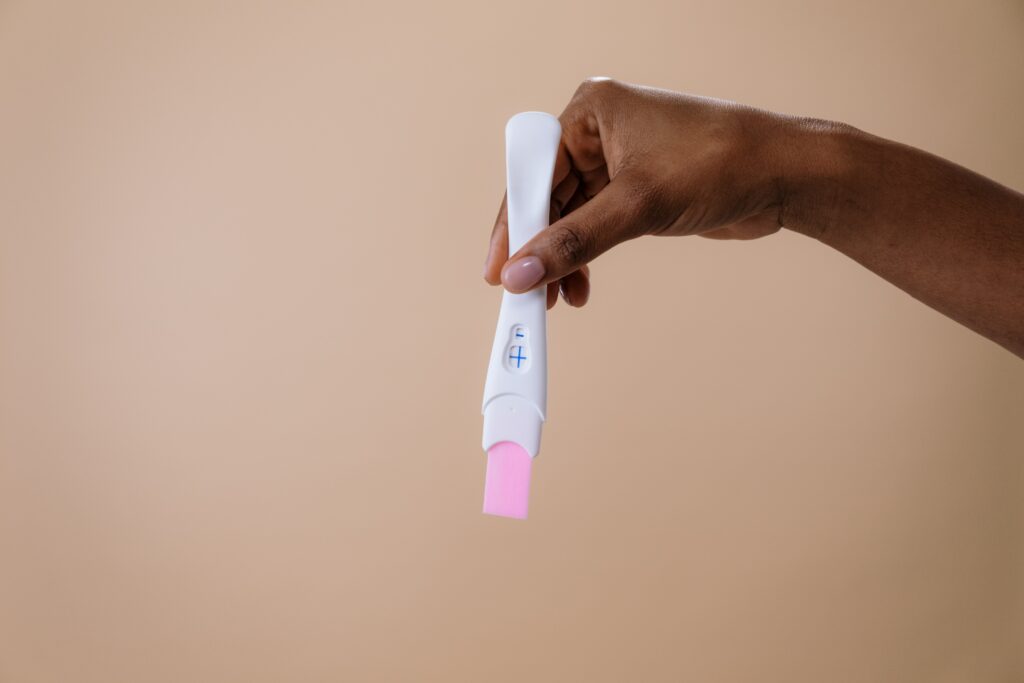
A pregnancy test works by detecting the presence of hCG, a hormone that is produced during pregnancy and can be found in a woman’s urine. When a woman becomes pregnant, hCG levels start to rise, and a pregnancy test measures the concentration of hCG in the urine to determine if a woman is pregnant or not.
The darkness of the test line on a pregnancy test is an indicator of the concentration of hCG in the urine. Typically, the darker the test line, the higher the concentration of hCG, and the more likely it is that a woman is pregnant. However, it’s important to note that the darkness of the test line can vary depending on the brand and sensitivity of the test.
Most pregnancy tests have a control line and a test line. The control line is used to indicate that the test is valid and has been performed correctly. The test line appears if hCG is detected in the urine, indicating a positive result for pregnancy.
Different pregnancy test brands have different sensitivity levels, which means they can detect different levels of hCG in the urine. Some tests are more sensitive and can detect lower levels of hCG, while others may require higher levels of hCG to produce a positive result. Sensitivity levels are usually indicated on the packaging or instructions of the test.
In general, a positive pregnancy test result is indicated by the appearance of a visible test line, regardless of its darkness. Even a faint test line that is barely visible can still be considered a positive result, as long as it appears within the specified time frame mentioned in the test instructions. However, it’s always important to read and follow the instructions provided by the specific brand of pregnancy test that you are using to ensure accurate results.
It’s also important to note that the concentration of hCG in the urine can vary depending on the stage of pregnancy. In early pregnancy, hCG levels tend to be lower and may result in a lighter test line, while in later stages of pregnancy, hCG levels are usually higher, resulting in a darker test line.
Another factor that can affect the darkness of the test line is the timing of the test in relation to the woman’s menstrual cycle. If a woman takes a pregnancy test too early, before the expected date of her period, the test line may be lighter due to lower hCG levels. It’s generally recommended to wait until after the missed period to take a pregnancy test for more accurate results.
It’s also worth noting that the darkness of the test line should not be used as a sole indicator of the viability or progress of a pregnancy. If a woman suspects she may be pregnant or has received a positive pregnancy test result, it’s important to consult with a healthcare professional for further evaluation and confirmation of the pregnancy. Healthcare professionals may use blood tests and other diagnostic methods to confirm pregnancy and monitor its progress.
In conclusion, the darkness of a pregnancy test line can vary depending on various factors, including the brand and sensitivity of the test, the concentration of hCG in the urine, and the timing of the test in relation to the woman’s menstrual cycle. A positive pregnancy test result is typically indicated by the appearance of a visible test line, regardless of its darkness, and it’s important to read and follow the instructions provided by the specific brand of pregnancy test for accurate results. If a woman suspects she may be pregnant, it’s important to consult with a healthcare professional for further evaluation and confirmation of the pregnancy.