Lake Mead, located on the Colorado River in Nevada and Arizona, is the largest reservoir in the United States by volume when at full capacity. However, due to a prolonged drought in the region, the lake has been experiencing a significant decline in water levels in recent years. As of April 2023, the lake is currently at a depth of approximately 1,071 feet above sea level, which is about 35% of its full capacity.
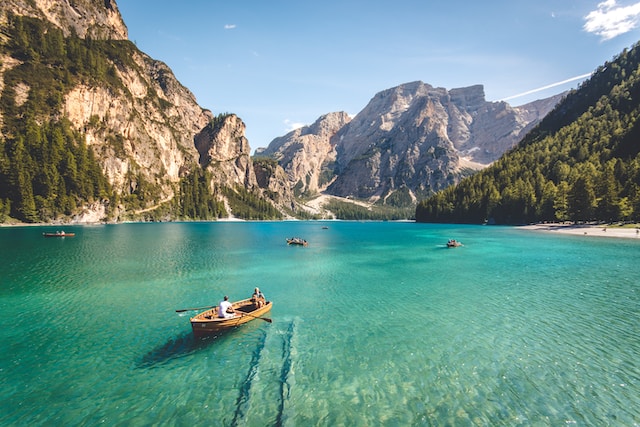
The decline in the water levels of Lake Mead is a result of several factors, including the prolonged drought in the region, reduced snowpack in the Rockies, and increased water demand from agriculture and urban areas. The lake has experienced a gradual decline in water levels since the early 2000s, and the situation has become more severe in recent years. The water levels of the lake are closely monitored by the United States Bureau of Reclamation, which manages the Colorado River system and the dams and reservoirs on the river.
The current water level of Lake Mead is a cause for concern because it has significant implications for water supply and power generation in the region. Lake Mead provides water to over 20 million people in southern California, Nevada, and Arizona, and it is also a critical source of hydropower. As the water levels of the lake decline, it becomes more difficult to generate power, and the quality of the water also deteriorates. In addition, the lower water levels of the lake can have a significant impact on recreational activities such as boating, fishing, and swimming.
To address the declining water levels of Lake Mead, several measures have been taken, including conservation measures, water reuse, and alternative water sources. The states of California, Nevada, and Arizona have implemented water conservation measures, such as water recycling and reduced outdoor water use, to reduce demand. The federal government has also provided funding for water infrastructure projects, including desalination plants and water reuse projects.
Despite these efforts, the water levels of Lake Mead are still declining, and there are concerns about the long-term sustainability of the Colorado River system. Climate change is expected to exacerbate the drought conditions in the region, which could have significant implications for the water supply and power generation in the western United States. As a result, there is a growing need for more comprehensive and sustainable water management strategies to ensure the long-term viability of the Colorado River system and the communities that depend on it.
In conclusion, Lake Mead is currently at a depth of approximately 1,071 feet above sea level, which is about 35% of its full capacity. The decline in the water levels of the lake is a result of several factors, including the prolonged drought in the region, reduced snowpack in the Rockies, and increased water demand. The situation is a cause for concern because it has significant implications for water supply and power generation in the region. To address the declining water levels, several measures have been taken, but more comprehensive and sustainable water management strategies are needed to ensure the long-term viability of the Colorado River system.