Zeus is a powerful figure in Greek mythology and one of the twelve Olympian gods. He is the god of thunder and lightning, as well as the ruler of the sky and the gods. While there are numerous myths and stories about Zeus, there is no definitive account of his death in Greek mythology. In fact, Zeus is usually portrayed as immortal, and the idea of his death is rare and typically used in metaphorical or symbolic contexts. In this article, we will explore some of the stories and theories surrounding Zeus’s death.
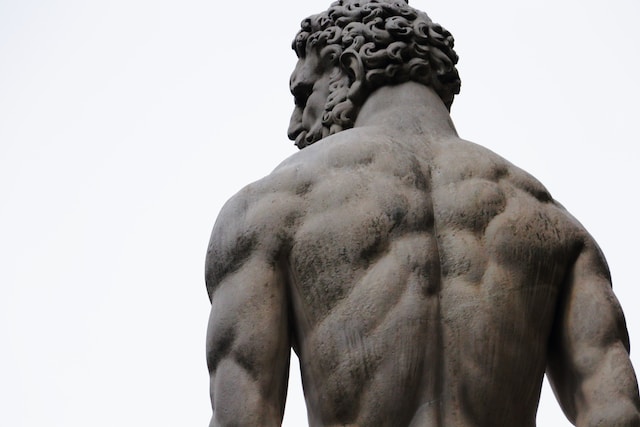
One popular myth about Zeus’s possible demise is the story of the Gigantomachy. According to this myth, the Giants, who were the offspring of Gaia (the earth) and Uranus (the sky), rose up against the gods in an attempt to conquer Mount Olympus. In response, Zeus led the other gods in a battle against the Giants, which came to be known as the Gigantomachy. After a long and brutal struggle, the gods emerged victorious, with Zeus casting the final blow that killed the Giant leader, Alcyoneus. However, in some versions of the story, it is said that the Giants had the power to overthrow the gods and that Zeus was nearly killed in the battle. This idea of Zeus’s vulnerability and mortality is a recurring theme in Greek mythology, and it suggests that even the mightiest of gods can be challenged and defeated.
Another theory about Zeus’s death comes from the philosopher Xenophanes, who lived in the 6th century BCE. Xenophanes criticized the Greek gods for their immoral behavior and suggested that they were not truly divine, but rather human-like beings with exaggerated powers. In his critique, Xenophanes noted that if horses and oxen had gods, they would likely imagine them to be horses and oxen as well. Therefore, he argued, it was absurd to believe that the gods were truly immortal and all-powerful. Instead, Xenophanes suggested that the gods would eventually die, just like any mortal creature. This idea was radical for its time, as the Greeks believed that their gods were eternal and all-knowing. However, Xenophanes’s ideas paved the way for a more critical and rational approach to religion and mythology.
In addition to these myths and theories, there are several other stories that suggest Zeus’s death or vulnerability. For example, in the myth of Prometheus, Zeus punishes Prometheus for stealing fire from the gods and giving it to humanity. One of the punishments that Zeus inflicts upon Prometheus is to have him chained to a rock, where an eagle comes every day to eat his liver. In some versions of the story, it is said that Zeus eventually becomes sick of the constant cycle of punishment and regeneration and decides to kill Prometheus once and for all. However, in other versions, Prometheus is eventually freed by Hercules, and Zeus’s power is once again challenged by mortals.
Overall, the question of Zeus’s death is one that has fascinated scholars and storytellers for centuries. While there is no definitive answer, the various myths and theories surrounding Zeus’s mortality suggest that even the most powerful and revered gods can be challenged and defeated. Whether through physical battles with other gods or philosophical critiques from mortal thinkers, Zeus’s story reminds us that no one is truly invincible, and that even the most divine beings are subject to the whims of fate and mortality.