Police have several ways of tracking phones, depending on the circumstances and the type of phone being tracked. Here are some of the methods that police may use to track phones:
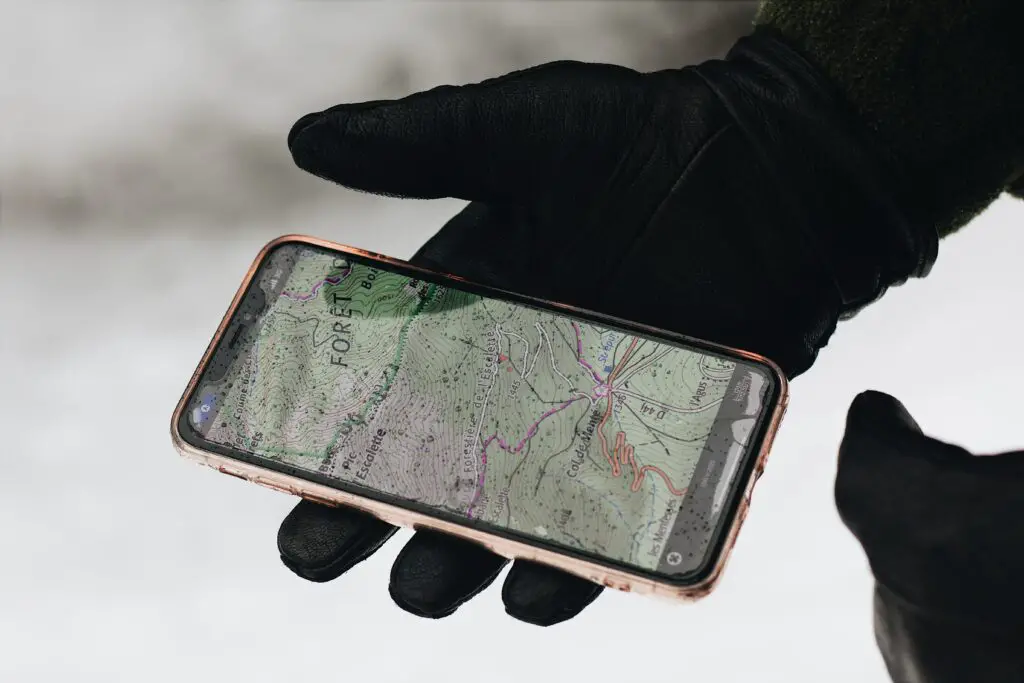
- GPS Tracking: GPS tracking is one of the most common ways that police track phones. Many smartphones have built-in GPS functionality that can be used to pinpoint the location of the phone. This can be done through the phone’s settings or by using a third-party app.
- Cell Tower Triangulation: If GPS tracking is not available or accurate enough, police may use cell tower triangulation to track the location of a phone. Cell tower triangulation involves using the signals from multiple cell towers to determine the approximate location of a phone.
- Stingrays: Stingrays are devices that mimic cell phone towers and can be used to intercept and track cell phone signals. Police may use Stingrays to track the location of a specific phone or to intercept and monitor calls and text messages.
- Carrier Assistance: Police may also work with phone carriers to track the location of a phone. Carriers can provide information about the location of a phone based on its signal strength and the nearby cell towers.
- App and Social Media Tracking: Many apps and social media platforms track the location of users. Police may use this information to track the location of a phone if the user has enabled location tracking in their app or social media settings.
- Search Warrant: In some cases, police may obtain a search warrant to access the location data on a suspect’s phone. This can include information from GPS tracking, app tracking, and social media tracking.
It’s important to note that while police may have access to these tracking methods, there are also legal restrictions and privacy concerns to consider. In many cases, police must obtain a warrant or court order before they can track a phone. Additionally, some tracking methods may be limited by the type of phone being tracked or the phone’s security features.
In recent years, there has been increasing concern about the use of Stingrays and other tracking methods by law enforcement. Privacy advocates argue that these methods can be used to track innocent people and can be a violation of civil liberties. As a result, some states have passed laws limiting the use of Stingrays and requiring police to obtain a warrant before using them.
In conclusion, police have several ways of tracking phones, including GPS tracking, cell tower triangulation, Stingrays, carrier assistance, and app and social media tracking. However, these tracking methods are often subject to legal restrictions and privacy concerns. While tracking phones can be a useful tool for law enforcement, it’s important to balance this with the need to protect individual privacy and civil liberties.