Roosters, also known as male chickens, play a vital role in the fertilization of eggs laid by hens. The process of fertilization involves the fusion of a sperm cell from the rooster with an ovum (or egg cell) from the hen, which leads to the development of an embryo that eventually hatches into a chick. In this article, we’ll discuss how roosters fertilize eggs after they are laid.
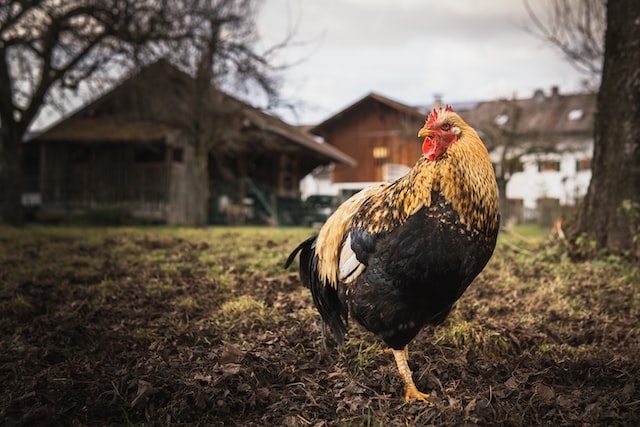
Firstly, it’s important to understand the reproductive anatomy of both roosters and hens. Roosters have a pair of testes that produce sperm, which are stored in the seminal vesicles until they are ejaculated. During mating, the rooster mounts the hen and transfers semen into her reproductive tract through his phallus or “cloacal kiss” which is the process where the cloaca of the rooster (a shared opening for the digestive, urinary, and reproductive tracts) rubs against the hen’s cloaca. The semen then travels up the hen’s oviduct where it can fertilize an egg if one is present.
On the other hand, hens have a pair of ovaries that produce ova. The ovum is released from the ovary and travels down the oviduct. If the ovum is fertilized by a sperm cell from the rooster, it will develop into an embryo and eventually a chick. If the ovum is not fertilized, it will be laid as an unfertilized egg.
It’s important to note that a hen can store sperm from a single mating for up to three weeks, which means that she can lay fertilized eggs for that period of time without needing to mate again. This is why farmers may keep only one rooster in a flock of hens.
When the hen lays an egg, the shell is formed around the yolk and white within the oviduct. If the egg is fertilized, the embryo begins to develop within the yolk. The embryo draws nutrients from the yolk as it grows and develops. The white of the egg, also known as the albumen, surrounds the yolk and provides protection and support for the developing embryo.
If the egg is not fertilized, it will still be laid but will not develop into a chick. These unfertilized eggs are the ones typically used for human consumption. They are high in protein, vitamins, and minerals, making them a healthy addition to a balanced diet.
In summary, roosters fertilize eggs by transferring semen into the hen’s reproductive tract during mating. The sperm then travel up the hen’s oviduct where they can fertilize an ovum if one is present. If the ovum is fertilized, it will develop into an embryo that will eventually hatch into a chick. If the ovum is not fertilized, it will be laid as an unfertilized egg, which can still be consumed by humans. The fertilization process is an essential part of the reproductive cycle of chickens, and without it, the hatching of chicks would not be possible.