Unneutered male cats, also known as intact male cats, behave differently than neutered male cats or female cats. This is because they have not undergone the surgical procedure that removes their testicles, which produces hormones that can influence their behavior.
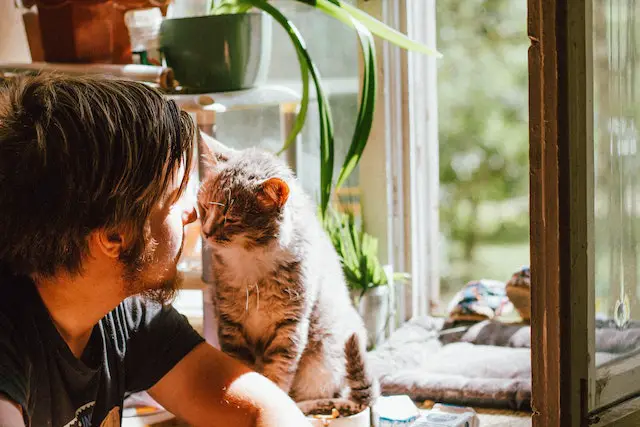
Here are some common behaviors of unneutered male cats:
- Territorial Marking: Unneutered male cats have a strong urge to mark their territory. They do this by spraying urine on vertical surfaces like walls, furniture, and doors. This behavior is driven by the male cat’s need to communicate with other cats in the area, letting them know that he is present and that this territory belongs to him.
- Roaming: Unneutered male cats are known for their wandering tendencies. They will often roam far from their homes in search of potential mates. This behavior can put them in danger of getting lost or injured while out exploring.
- Aggression: Unneutered male cats can be more aggressive than neutered males or females. This aggression is often directed towards other male cats, especially when they feel threatened or challenged. It can also be directed towards humans in certain situations, such as when the male cat feels cornered or scared.
- Vocalization: Unneutered male cats are more vocal than neutered males or females. They will often meow or yowl loudly to attract the attention of females during mating season. This can be a nuisance to their owners, especially if they are trying to sleep.
- Sexual Behavior: Unneutered male cats are driven by their hormones and have a strong desire to mate. They will often exhibit sexual behaviors such as mounting or humping objects or people. They may also become more affectionate or clingy towards their owners as a way of seeking attention and affection.
- Fighting: Unneutered male cats are more likely to get into fights with other cats, especially other unneutered males. These fights can be dangerous and result in injuries to both cats.
- Hyperactivity: Unneutered male cats can be more energetic and restless than neutered males or females. They may be more prone to running around the house, jumping on furniture, and generally being more active.
- Decreased Appetite: Some unneutered male cats may experience a decreased appetite due to the hormonal changes in their bodies. This can result in weight loss and other health problems if not addressed.
It’s important to note that not all unneutered male cats exhibit these behaviors to the same degree. Some cats may be more laid-back and less prone to roaming, fighting, or vocalizing. However, these behaviors are common among intact male cats and can be addressed through neutering.
Neutering an unneutered male cat can have several benefits, including:
- Reduced risk of testicular cancer and other health problems
- Decreased likelihood of territorial marking and spraying
- Reduced aggression towards other cats and humans
- Reduced risk of wandering and getting lost or injured
- Reduced risk of fighting with other cats
- Decreased vocalization and hyperactivity
- Improved appetite and overall health
In conclusion, unneutered male cats exhibit distinct behaviors that are driven by their hormones and natural instincts. These behaviors can be managed through neutering, which has several health and behavioral benefits for both the cat and its owner. If you are considering adopting an unneutered male cat, it’s important to be aware of these behaviors and to consult with a veterinarian about the best course of action for your pet.