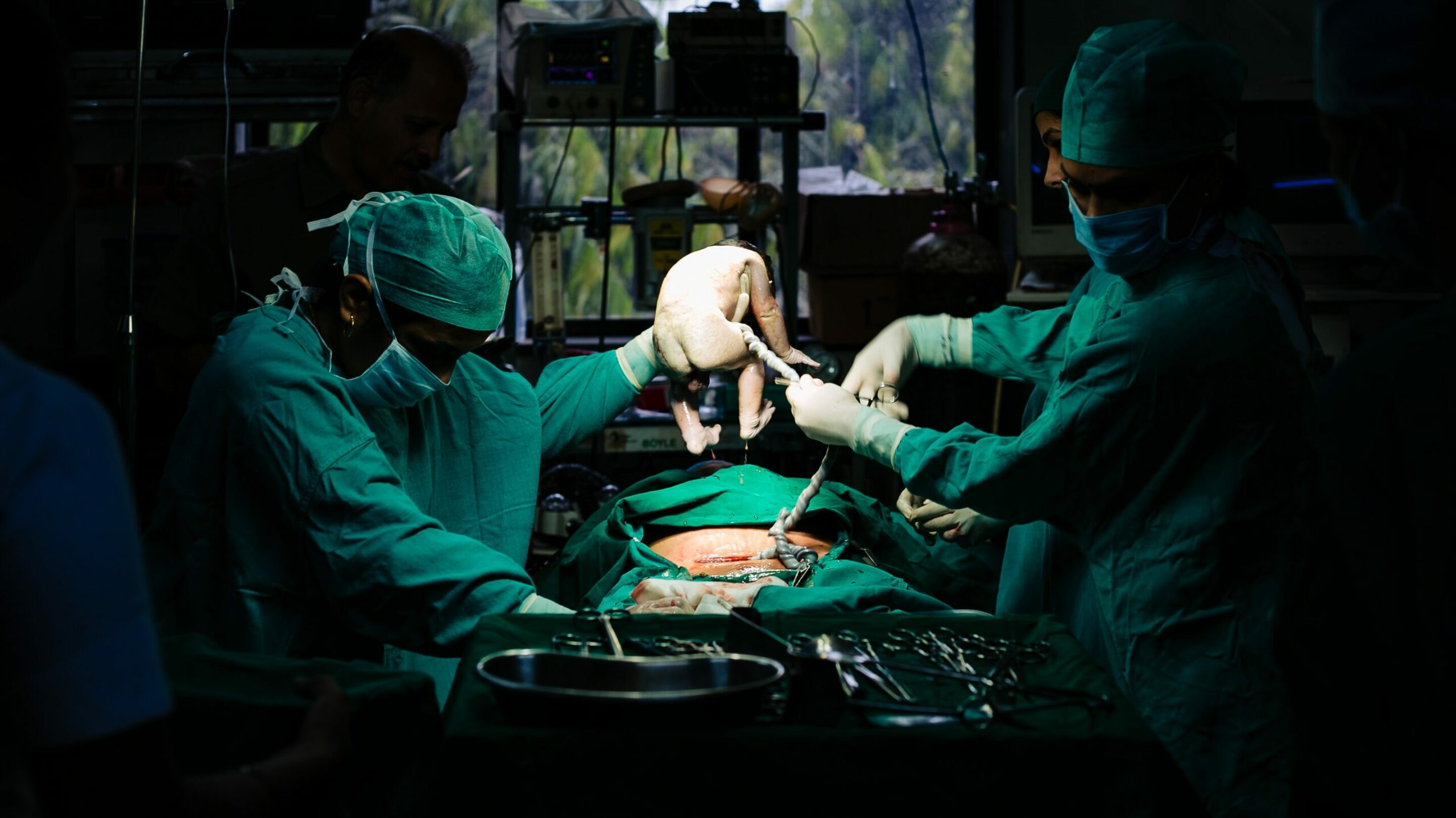
C-section overhang, also known as a “C-section pouch” or “C-section flap,” refers to excess skin and fat that can hang over the C-section scar after childbirth. It can be a source of discomfort and self-consciousness for some individuals. While it’s important to remember that every body is different, and some degree of loose skin or tissue after a C-section is normal, there are several options that may help reduce or address C-section overhang. In this article, we will explore various ways to potentially address C-section overhang.
- Exercise and Diet: Regular exercise and a healthy diet can play a significant role in managing excess weight and reducing fat deposits, including C-section overhang. Incorporating cardiovascular exercises, such as walking, running, or swimming, along with strength training exercises that target the abdominal muscles, can help tone the muscles in the area and potentially reduce the appearance of C-section overhang. Consult with a healthcare professional or a certified fitness trainer to develop a safe and effective exercise program tailored to your individual needs and health status. Additionally, maintaining a balanced diet that is rich in whole grains, lean protein, healthy fats, and plenty of fruits and vegetables can support weight management and overall health.
- Core Strengthening Exercises: Strengthening the core muscles, including the transverse abdominis, pelvic floor muscles, and obliques, can help tone the abdominal area and potentially minimize the appearance of C-section overhang. Pelvic tilts, bridges, planks, and other exercises that engage the core can be effective in strengthening the muscles and improving muscle tone. It’s important to perform these exercises with proper form and technique to avoid any strain or injury, and to consult with a healthcare professional or a certified fitness trainer for guidance.
- Non-surgical Cosmetic Procedures: There are several non-surgical cosmetic procedures that may help address C-section overhang. These procedures typically involve using heat, radiofrequency, ultrasound, or laser energy to stimulate collagen production, tighten the skin, and reduce fat deposits. Some examples of non-surgical cosmetic procedures that may be used to address C-section overhang include radiofrequency skin tightening, ultrasound therapy, and laser lipolysis. However, it’s important to note that these procedures may not be suitable for everyone, and consultation with a qualified healthcare professional is essential to determine the most appropriate treatment option based on individual needs and health status.
- Compression Garments: Wearing compression garments, such as abdominal binders or girdles, may help provide support to the abdominal area and potentially reduce the appearance of C-section overhang. These garments are typically made of elastic fabric and can help compress the tissues, provide gentle support, and improve the appearance of the abdominal area. It’s important to wear compression garments that are of the right size and fit properly to avoid any discomfort or adverse effects, and to consult with a healthcare professional for recommendations.
- Healthy Lifestyle Choices: Maintaining a healthy lifestyle can have a positive impact on overall body composition and potentially reduce the appearance of C-section overhang. Avoiding smoking, limiting alcohol consumption, getting enough sleep, managing stress, and staying hydrated can all contribute to healthier skin, improved muscle tone, and better weight management.
- Surgical Options: In some cases, surgical options may be considered to address C-section overhang. Abdominoplasty, also known as a tummy tuck, is a surgical procedure that involves removing excess skin and fat from the abdominal area, tightening the abdominal muscles, and potentially improving the appearance of C-section overhang. However, it’s important to note that abdominoplasty is a major surgical procedure that carries risks and requires careful consideration, including consultation with a qualified plastic surgeon and thorough evaluation of individual health status, risks, and benefits.
How do you get rid of c section overhang?