Mania is a severe mood disorder that is often associated with bipolar disorder, but it can also occur in other conditions. It is characterized by an elevated or irritable mood, increased energy levels, impulsivity, and other symptoms that can be challenging and dangerous. One common question that people have is how to know when mania is ending. In this article, we will explore some of the signs that mania is subsiding and discuss the importance of seeking medical attention.
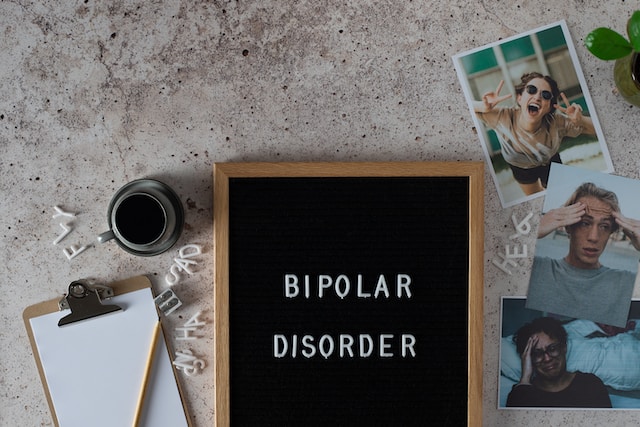
One of the hallmark symptoms of mania is an increase in energy levels, causing people to feel restless, have a reduced need for sleep, and engage in hyperactive behavior. As mania subsides, energy levels may begin to decrease, and people may start feeling more tired and lethargic. Additionally, mood symptoms may start to improve, and people may feel more stable and calm, while irritability and aggression may decrease.
Mania can cause people to engage in impulsive behavior, such as spending sprees, risky sexual behavior, or substance abuse. As mania subsides, people may start to regain some control over their impulses and make more rational decisions, with improved judgment and cognitive functioning. Improved sleep patterns can also occur, as mania can cause people to have a reduced need for sleep, which can lead to sleep deprivation and other health problems.
It is important to note that the onset and duration of mania can vary from person to person, and not everyone will experience all of the above symptoms. Additionally, it is essential to seek medical attention if you or a loved one is experiencing symptoms of mania. Mania can be a severe and potentially dangerous condition that requires medical intervention.
Treatment for mania typically involves medication, such as mood stabilizers, antipsychotics, or antidepressants, but therapy and lifestyle changes can also be beneficial. Therapy can help people learn coping skills, improve communication, and address underlying emotional issues. Lifestyle changes, such as maintaining a regular sleep schedule, avoiding drugs and alcohol, and engaging in regular exercise, can also help manage symptoms of mania.
In conclusion, mania is a challenging condition that requires medical attention, and it is essential to seek help if you or a loved one is experiencing symptoms. While the signs of mania subsiding can vary, they often include decreased energy levels, improved mood, reduced impulsivity, improved judgment, decreased irritability, improved sleep patterns, and improved cognitive functioning. It is important to remember that the onset and duration of mania can vary from person to person, and not everyone will experience all of the above symptoms. Treatment for mania typically involves medication, therapy, and lifestyle changes, and it is important to work with a healthcare professional to determine the best course of action.