Signaling SOS with light is a method of communicating an emergency distress call in situations where other forms of communication are not available or feasible. It involves using a sequence of three short flashes, three long flashes, and three short flashes, with a pause between each set of three, to signal for help.
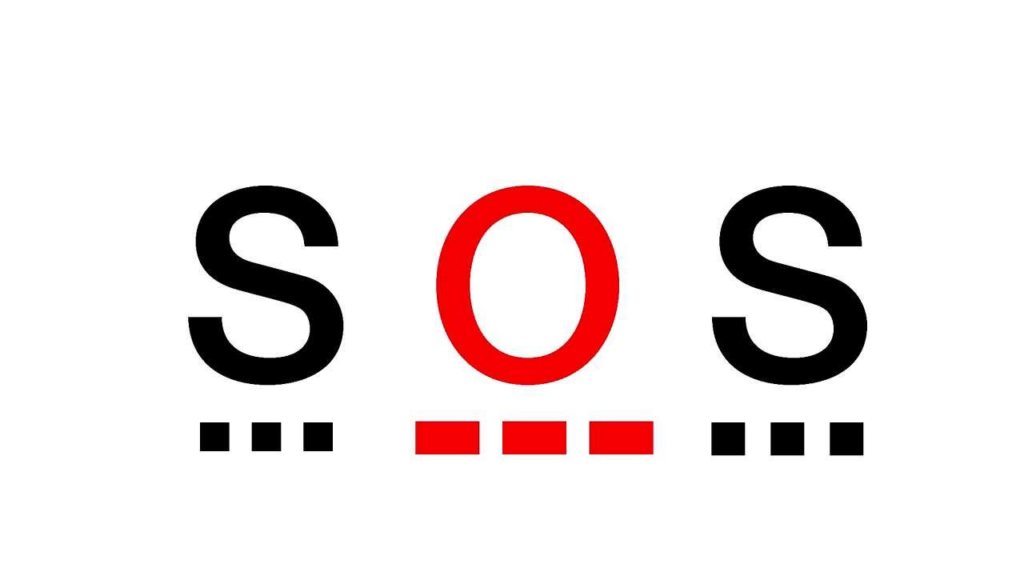
The light source used for signaling SOS can vary depending on the situation. If you are stranded in a remote location, a flashlight or a signaling mirror may be your best option. If you are on a boat, flares or an emergency strobe light may be more appropriate.
To signal SOS using a flashlight, follow these steps:
- Find an open area with a clear line of sight to potential rescuers. It is important to be in a place where your signal can be seen.
- Turn on your flashlight and wait a few moments to allow your eyes to adjust to the darkness.
- Shine the light directly at the potential rescuers.
- Use the flashlight to signal three short flashes, followed by three long flashes, and then three short flashes, with a pause between each set of three. This is the internationally recognized Morse code signal for SOS.
- Repeat the signal at regular intervals until help arrives.
To signal SOS using a signaling mirror, follow these steps:
- Hold the mirror with both hands, making sure that the reflective surface is facing the direction of the potential rescuers.
- Look through the sighting hole in the center of the mirror and align it with the potential rescuers.
- Tilt the mirror back and forth until the sun’s reflection is shining on the potential rescuers.
- Use the mirror to signal three short flashes, followed by three long flashes, and then three short flashes, with a pause between each set of three. This is the internationally recognized Morse code signal for SOS.
- Repeat the signal at regular intervals until help arrives.
To signal SOS using flares, follow these steps:
- Make sure that you have a clear line of sight to potential rescuers.
- Light the flare according to the manufacturer’s instructions.
- Hold the flare above your head and wave it back and forth to catch the attention of potential rescuers.
- Use the flare to signal three short flashes, followed by three long flashes, and then three short flashes, with a pause between each set of three. This is the internationally recognized Morse code signal for SOS.
- Repeat the signal at regular intervals until help arrives.
To signal SOS using an emergency strobe light, follow these steps:
- Turn on the emergency strobe light according to the manufacturer’s instructions.
- Hold the light above your head and wave it back and forth to catch the attention of potential rescuers.
- Use the strobe light to signal three short flashes, followed by three long flashes, and then three short flashes, with a pause between each set of three. This is the internationally recognized Morse code signal for SOS.
- Repeat the signal at regular intervals until help arrives.
In addition to signaling SOS with light, there are other methods of communicating an emergency distress call. These include using a whistle, shouting for help, and using a cell phone or two-way radio if they are available.
It is important to remember that signaling SOS with a light is not a guarantee that help will arrive. You should always be prepared with additional supplies and have a plan in place for what to do if help does not arrive in a timely manner. In addition, it is important to always practice safety and caution when traveling in remote or dangerous locations.
In conclusion, signaling SOS with light is an important skill to have in emergency situations. Whether you are stranded in a remote location or in need of rescue on a boat, knowing how to signal SOS with light can increase your chances of being rescued