A blown-up engine, also known as a seized engine or engine failure, is a catastrophic event that occurs when the internal components of an engine suffer extensive damage, leading to the engine becoming inoperable. When an engine blows up, it can produce various sounds depending on the type and severity of the damage. Here are some possible descriptions of what a blown-up engine might sound like:
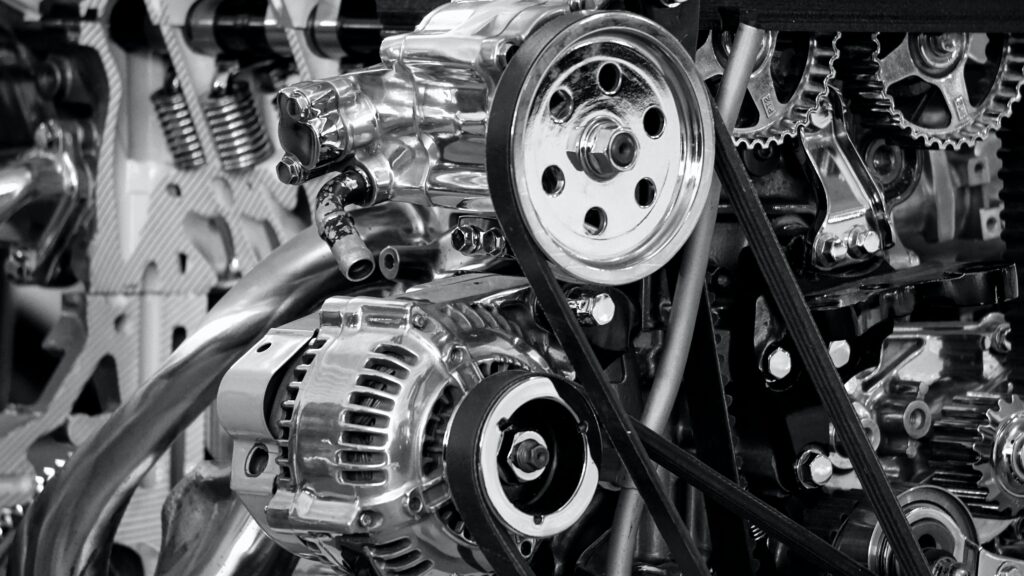
- Loud knocking or banging noise: One of the most common sounds associated with a blown-up engine is a loud knocking or banging noise. This sound is typically caused by damage to the engine’s pistons, connecting rods, or bearings. When these components are compromised, they can start hitting against each other or the engine block, resulting in a distinct knocking or banging sound. The noise may be particularly noticeable when the engine is running at higher RPMs or under load, such as when accelerating.
- Grinding or scraping noise: A blown-up engine may also produce a grinding or scraping noise, which could indicate that the engine’s internal components, such as the crankshaft, camshaft, or timing chain, have suffered severe damage. These components are crucial for the proper operation of the engine, and when they become damaged, they can rub against each other or other engine parts, resulting in a grinding or scraping noise that is often metallic in nature.
- Hissing or whistling noise: If a blown-up engine is accompanied by a hissing or whistling noise, it could indicate a possible failure of the engine’s gaskets, seals, or hoses. These components are responsible for maintaining proper seals and preventing leaks in the engine, and when they fail, they can result in the escape of gases or fluids, leading to a hissing or whistling sound. This type of noise may be more prominent near the area of the engine where the failure has occurred.
- Complete silence: In some cases, a blown-up engine may not produce any noticeable noises at all. Instead, the engine may simply stop running, and there may be complete silence when you attempt to start the engine. This could indicate a catastrophic failure, such as a seized piston or a snapped crankshaft, which prevents the engine from turning over or running at all.
- Backfiring or popping noise: Another possible sound associated with a blown-up engine is backfiring or popping noise from the exhaust. This could occur if the engine’s timing is severely disrupted due to a damaged camshaft or crankshaft, causing the fuel-air mixture to ignite in the exhaust system instead of in the combustion chamber. This can result in loud backfiring or popping noises that are typically accompanied by a loss of power and poor engine performance.
- Squealing or screeching noise: If a blown-up engine is accompanied by a high-pitched squealing or screeching noise, it could indicate a possible failure of the engine’s belts, such as the serpentine belt or the timing belt. These belts are responsible for driving various engine components, such as the alternator, water pump, and power steering pump, and when they fail, they can produce a loud squealing or screeching noise as they slip or snap.
It’s important to note that the specific sounds associated with a blown-up engine may vary depending on the type of engine, the severity of the damage, and the location of the damage within the engine. In some cases, the engine may produce multiple noises simultaneously, making it difficult to pinpoint the exact cause of the failure. It’s also worth mentioning that continuing to operate a blown-up engine can cause further damage and increase the cost of repairs, so if you suspect that your engine has blown up, it’s essential to stop driving the vehicle immediately and seek professional assistance from a qualified mechanic. Attempting to diagnose or repair