Snakes are an interesting subject of study due to their diverse characteristics. They are typically considered slow creatures, but certain species possess surprising agility and quickness. Factors such as species, size, and environment contribute to their mobility. Snakes use a unique slithering movement that enables them to traverse across various surfaces with ease.
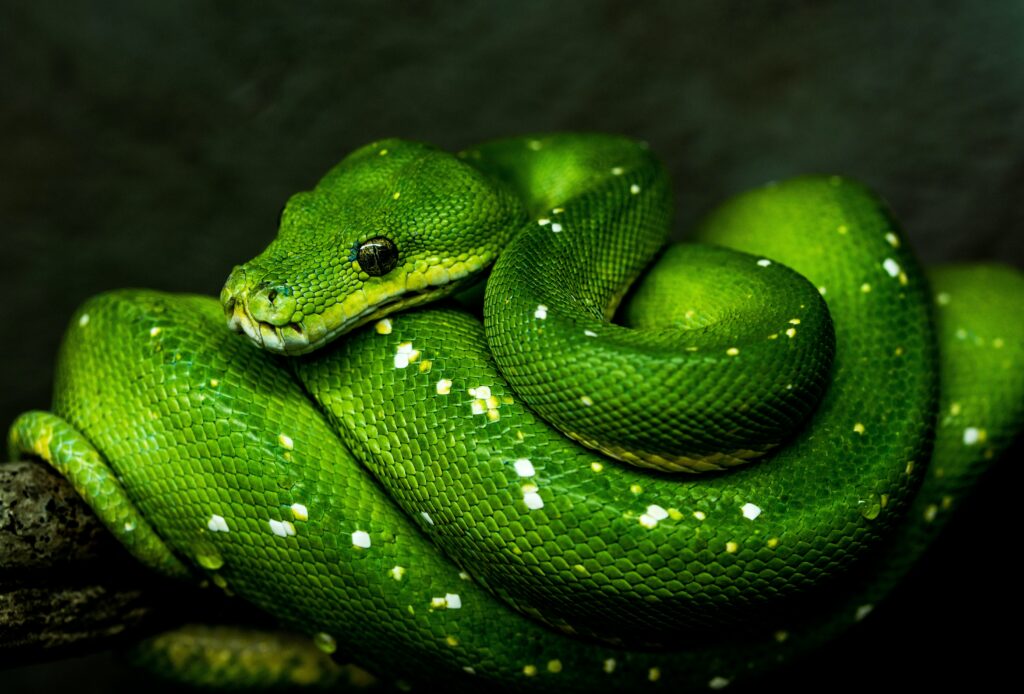
Snakes are fascinating creatures that have evolved to thrive in a variety of environments, from deserts and rainforests to swamps and grasslands. While they are not typically known for their speed or agility, some snake species can move quickly when they need to.
Snakes are not able to run like humans, but they can move efficiently by contracting and expanding their muscles, allowing them to propel their bodies forward. The black mamba is the fastest snake species, reaching speeds of up to 12.5 miles per hour (20 kilometers per hour). Other species that exhibit remarkable speed include the king cobra and the rattlesnake, moving at 8 miles per hour (12.8 kilometers per hour) and 6.8 miles per hour (11 kilometers per hour) respectively.
The speed at which a snake can run varies depending on several factors, including its species, size, and the terrain it is moving across. Some snakes are excellent climbers and can move quickly up trees and through bushes, while others are better suited to slithering along the ground. In this article, we will explore the different factors that affect a snake’s speed and examine some of the fastest snake species in the world.
Factors that Affect Snake Speed
Size and Species
The size and species of a snake can have a significant impact on its speed. Larger snakes tend to move more slowly than smaller ones, as their size makes them more cumbersome and difficult to maneuver. Additionally, different snake species have varying levels of agility and speed, depending on their unique physical characteristics.
Body Shape
The shape of a snake’s body also plays a role in how fast it can move. Snakes with long, slender bodies, such as cobras and vipers, are generally faster and more agile than those with shorter, stouter bodies. This is because their elongated bodies allow them to move more fluidly and efficiently, with less resistance from the ground.
Muscle Strength
Like all animals, a snake’s speed is also determined by its muscle strength. Stronger muscles allow snakes to move more quickly and efficiently, allowing them to slither and climb with ease. Additionally, a snake’s muscle strength is affected by its level of activity, with more active snakes generally having stronger muscles and greater speed.
Terrain
The type of terrain a snake is moving across can also affect its speed. Snakes that live in open areas, such as deserts and grasslands, tend to be faster than those that live in denser forests or swamps, where obstacles such as trees and undergrowth can impede their movement.
Fastest Snake Species
Now that we have explored some of the factors that affect snake speed, let’s take a look at some of the fastest snake species in the world.
Black Mamba
The black mamba is widely considered to be the fastest snake in the world, capable of reaching speeds of up to 12 miles per hour. Found throughout sub-Saharan Africa, the black mamba is known for its speed and agility, which it uses to escape predators and catch prey.
King Cobra
The king cobra, found in India and Southeast Asia, is another fast-moving snake, capable of reaching speeds of up to 8 miles per hour. Despite its large size, the king cobra is incredibly agile and can move quickly both on the ground and up trees.
Rattlesnake
Rattlesnakes are a group of venomous snakes found throughout the Americas, known for their distinctive rattling sound and deadly venom. They are also quite fast, capable of moving at speeds of up to 6 miles per hour.
Copperhead
The copperhead is a venomous snake found throughout the eastern and southern United States. It is also one of the fastest snakes in the world, capable of moving at speeds of up to 5 miles per hour.
Conclusion
In conclusion, the speed at which a snake can run depends on several factors, including its size, species, body shape, muscle strength, and the terrain it is moving across. While snakes are not typically known for their speed or agility, some species can move quite quickly, allowing them to escape predators and catch prey. If you encounter a snake in the wild, it is important to remember to keep a safe distance and not to disturb it, as many snake species can be dangerous.