Water moccasins, also known as cottonmouths, are venomous snakes found in the southeastern United States. They are known for their aggressive behavior, and their bites can be potentially fatal. Here is what you need to know about the risks associated with water moccasin bites.
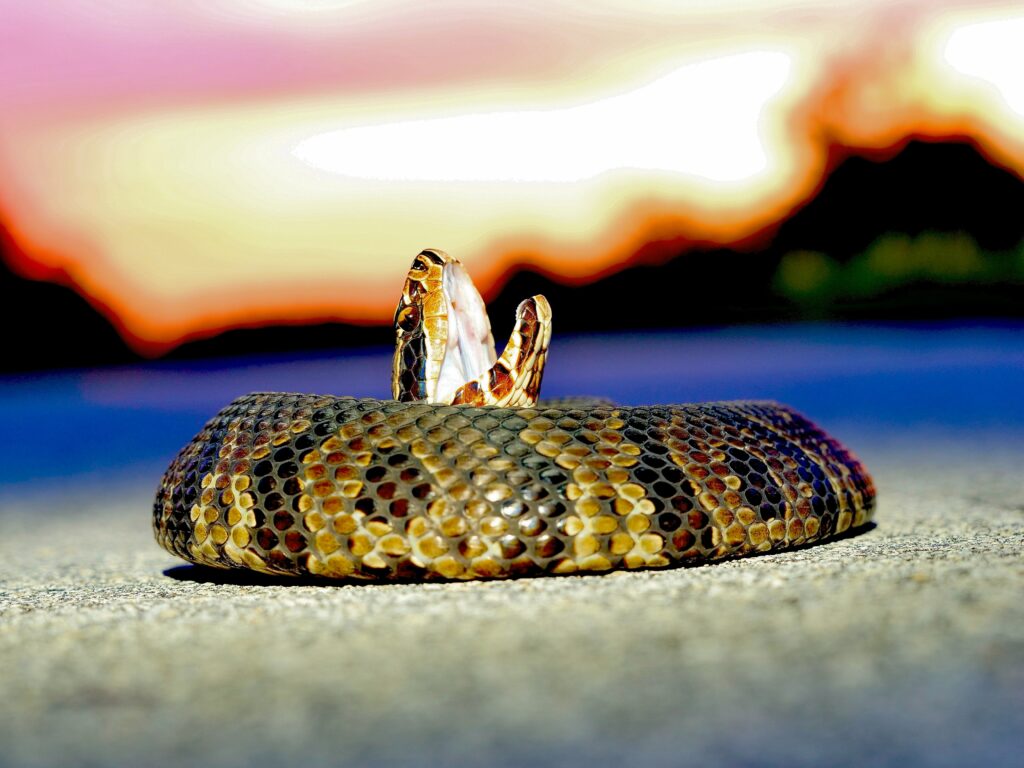
Firstly, it is important to note that water moccasin bites are rare, as the snakes are generally not aggressive towards humans and will usually try to avoid confrontation. However, when they feel threatened or cornered, they may bite as a defense mechanism.
The venom of water moccasins is highly toxic and can cause a range of symptoms, depending on the severity of the bite and the amount of venom injected. The venom of water moccasins contains a mixture of neurotoxins and hemotoxins. Neurotoxins affect the nervous system and can cause paralysis, while hemotoxins damage blood vessels and cause internal bleeding.
Symptoms of a water moccasin bite can include pain, swelling, and bruising at the site of the bite, as well as nausea, vomiting, headache, and weakness. In severe cases, the venom can lead to respiratory failure, cardiac arrest, and even death.
The severity of the symptoms will depend on the amount of venom injected, which can vary depending on factors such as the size and age of the snake, the location of the bite, and the size and health of the person bitten. In general, bites from larger snakes are more dangerous than bites from smaller snakes.
The fatality rate of water moccasin bites is relatively low, with an estimated mortality rate of around 2-3%. However, it is important to seek medical attention immediately if you are bitten by a water moccasin or any other venomous snake, as prompt treatment can help reduce the risk of serious complications.
Treatment for water moccasin bites typically involves the administration of antivenom, which can help neutralize the venom and prevent further damage. Other treatments may include pain management, wound care, and monitoring for potential complications.
Preventing water moccasin bites is the best way to avoid the potential risks associated with these snakes. If you are in an area where water moccasins are present, it is important to stay alert and avoid approaching or handling the snakes. Wearing protective clothing, such as boots and long pants, can also help reduce the risk of bites.
In summary, water moccasins are venomous snakes that can potentially be fatal if their bites are left untreated. However, bites from these snakes are relatively rare, and prompt medical attention can help reduce the risk of serious complications. Taking steps to prevent bites, such as staying alert and wearing protective clothing, is the best way to avoid the risks associated with water moccasin encounters.