The human heart is a vital organ that plays a crucial role in maintaining the body’s internal environment. Its primary function is to pump blood throughout the circulatory system, which delivers oxygen and nutrients to the organs and tissues while removing waste products. Without a functioning heart, the body’s organs and tissues would quickly be deprived of oxygen and nutrients, leading to a rapid decline in health and eventual death.
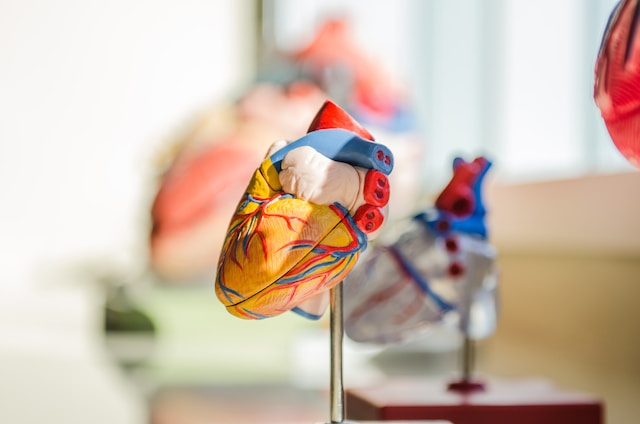
The question of how long a human can survive without a heart is a complex one, with no straightforward answer. While it is technically possible for humans to survive for a short period of time without a heart, it is not a viable long-term solution.
There have been rare medical cases where patients have survived without a heart for a limited period of time. D’Zhana Simmons, a 14-year-old girl from South Carolina, survived for 118 days without a heart, thanks to a groundbreaking surgical procedure known as a total artificial heart implantation. A mechanical device was used to replace her heart, and she was able to survive until a suitable donor heart became available for transplantation.
Another remarkable case is that of Andrew Jones, a British man who lived for over a year without a heart. Jones suffered from a rare condition called sarcoidosis, which caused inflammation and scarring in his heart, making it impossible to function. In 2011, he became the second person in the world to undergo a total artificial heart implantation, and he lived for 11 months with the mechanical device before receiving a heart transplant.
While these cases are exceptional, it is important to note that the vast majority of people who suffer from heart failure or other cardiac conditions will not be candidates for these types of procedures. The risks and complications associated with heart transplantation and other types of heart surgery are significant, and the recovery process can be lengthy and difficult. Patients may require extensive rehabilitation and ongoing medical care to maintain their health and well-being.
In addition to the risks and complications associated with surgical procedures, the heart is essential for maintaining blood circulation. The brain, which is one of the body’s most vital organs, is particularly vulnerable to damage caused by lack of blood flow. Brain cells can begin to die within just a few minutes of being deprived of oxygen.
Other organs, such as the kidneys, liver, and lungs, are also highly dependent on blood flow. These organs play critical roles in maintaining the body’s internal environment, and their failure can lead to a cascade of other health problems.
It is also worth noting that patients who undergo a total artificial heart implantation are typically connected to external machines that help regulate their blood flow and oxygen levels. These machines can be bulky and uncomfortable, and they require careful monitoring to ensure that they are working properly.
In conclusion, the human heart is an essential organ that plays a critical role in maintaining the body’s internal environment. While it is possible for humans to survive without a heart for a short period of time, it is not a viable long-term solution. The risks and complications associated with surgical procedures and the heart’s vital role in maintaining blood circulation make it impossible for humans to survive without a functioning heart. It is therefore crucial to maintain a healthy heart and to seek medical attention promptly if you experience any symptoms of heart disease or other cardiac conditions. A healthy lifestyle, regular exercise, and a balanced diet can go a long way in preventing heart disease and maintaining optimal heart health.