Sharks are magnificent creatures that have been around for millions of years. They are known for their impressive ability to live and thrive in the marine environment, but what happens if a shark is removed from water? How long can a shark stay out of water before it dies?
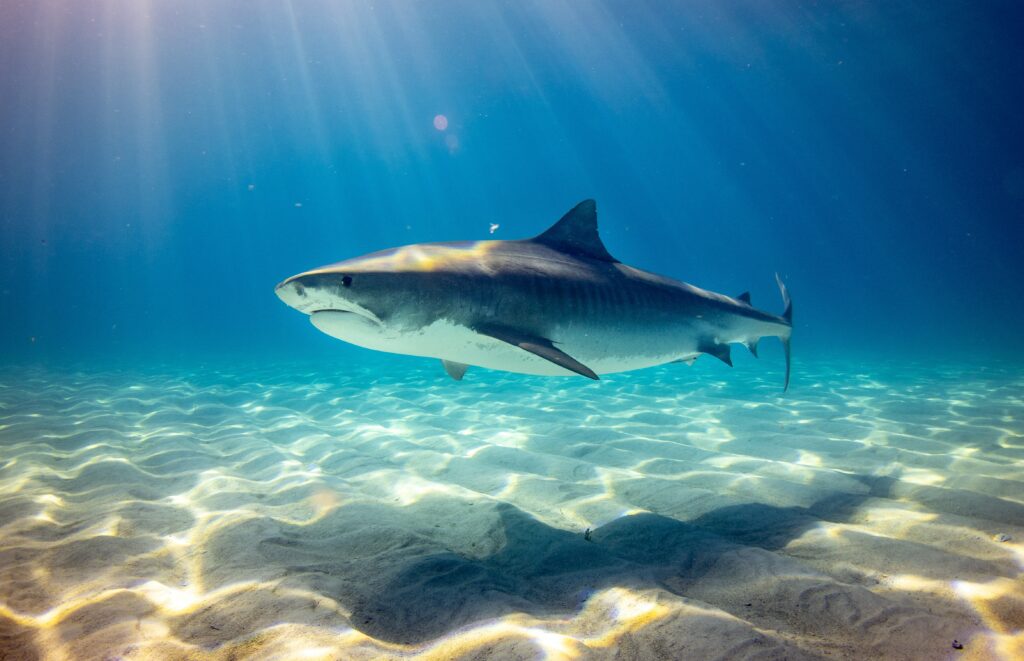
The answer to this question depends on several factors, including the species of shark, the temperature and humidity of the surrounding environment, and the length of time the shark has been out of water.
Generally speaking, most sharks require water to breathe, and they extract oxygen from the water through their gills. When a shark is out of water, it is unable to extract oxygen from its surroundings, which can cause it to suffocate or die from oxygen deprivation.
The length of time that a shark can survive out of water varies widely among different species. Some species of shark are more tolerant of air exposure than others, and can survive for several hours out of the water. Other species are much more sensitive and can die within a matter of minutes.
One factor that affects a shark’s ability to survive out of water is its size. Smaller sharks, such as the blacktip reef shark, can survive for up to an hour out of the water, while larger species like the great white shark may only survive for a few minutes.
Another important factor is the temperature and humidity of the surrounding environment. Sharks are cold-blooded animals, which means that their body temperature is regulated by the temperature of the surrounding water. When a shark is removed from water, its body temperature can quickly rise, which can cause it to suffer from heat stress and dehydration. High temperatures and low humidity can also cause the shark’s skin and gills to dry out, which can further reduce its ability to breathe and survive.
Additionally, the length of time that a shark has been out of the water also plays a role in its ability to survive. The longer a shark is out of the water, the greater the chance that it will suffer from oxygen deprivation, dehydration, or heat stress, which can increase the risk of death.
It is worth noting that there are some species of shark that are better adapted to surviving out of water than others. The bull shark, for example, is known for its ability to tolerate freshwater environments and can survive for extended periods of time in low-oxygen environments.
In general, it is important to avoid removing sharks from the water, as it can be harmful to their health and well-being. If you do happen to come across a shark that is stranded on land, it is important to contact a local wildlife rescue organization or marine mammal stranding network as soon as possible. These organizations have the expertise and equipment needed to safely transport the shark back to the water, where it can continue to thrive in its natural environment.
In conclusion, the length of time that a shark can survive out of water depends on several factors, including the species of shark, the temperature and humidity of the surrounding environment, and the length of time the shark has been out of water. While some species can survive for several hours out of the water, others may die within a matter of minutes. It is important to avoid removing sharks from the water whenever possible, and to seek help from a local wildlife rescue organization or marine mammal stranding network if you come across a stranded shark. By working together, we can help to protect these magnificent creatures and ensure that they continue to thrive in our oceans for generations to come.