Eggs are a staple food item that can be found in most households. They are versatile, easy to cook, and provide a good source of protein. However, like any perishable food item, eggs come with an expiration date that indicates their freshness and quality. While it is generally recommended to consume eggs before their expiration date, they can often still be safely consumed past that date, depending on various factors.
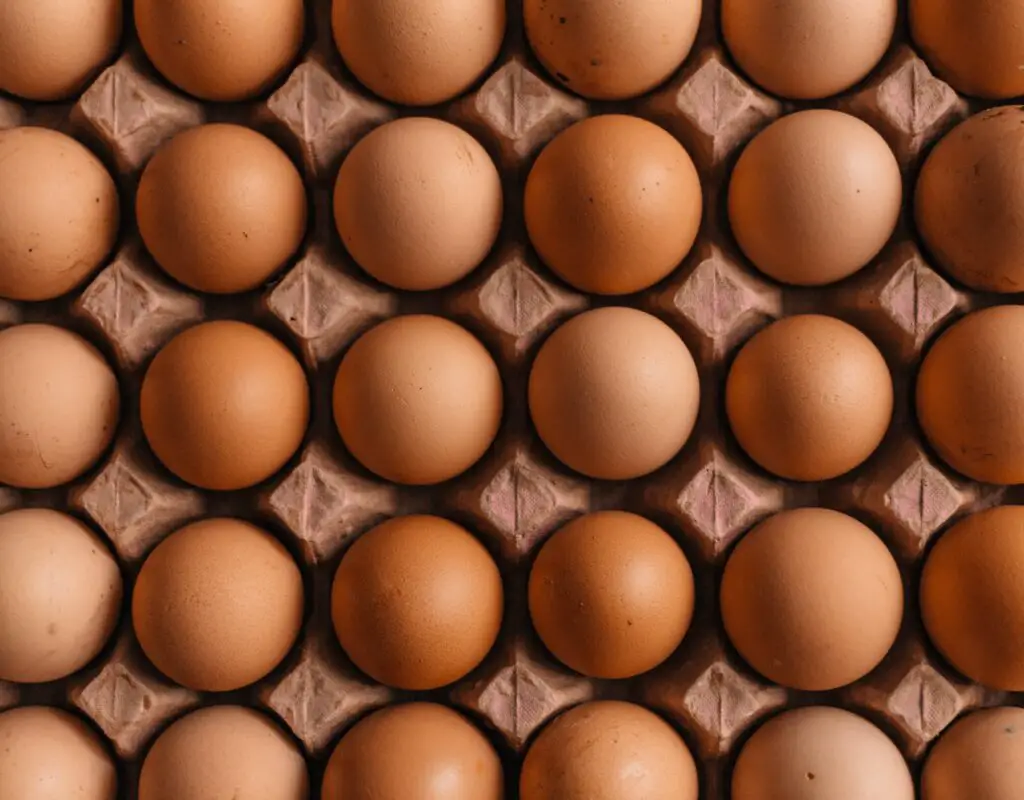
The expiration date on egg cartons is usually determined by the packing plant based on when the eggs were packed. This date is typically set between 3 to 5 weeks from the packing date, but it can vary depending on the specific brand and country. The expiration date is meant to be a guideline for when the eggs will maintain their peak freshness and quality. Beyond that date, the quality of the eggs may start to decline, but it doesn’t necessarily mean that the eggs are no longer safe to eat.
To determine if an egg is still safe to eat, the first thing to check is the appearance and smell of the egg. Fresh eggs have a firm white and a rounded yolk that stands high in the center. If the egg is past its expiration date, it may have a flat yolk, a watery white, or a stronger smell than usual. These changes are not necessarily a sign that the egg is spoiled, but they can indicate a decline in quality.
Another way to check if an egg is still safe to eat is to perform a simple water test. To do this, fill a bowl with cold water and gently place the egg in the bowl. If the egg sinks to the bottom and lays flat, it is still fresh. If it stands upright or floats, it may no longer be fresh and should be discarded. This is because as eggs age, they develop an air pocket at the larger end of the egg, which causes it to stand upright or float in water.
It’s also important to note that the risk of salmonella contamination increases as eggs age, which is why it’s important to handle and store eggs properly. Salmonella is a type of bacteria that can cause food poisoning, and it is commonly found in raw or undercooked eggs. To reduce the risk of salmonella contamination, it is recommended to store eggs in the refrigerator at a temperature of 40°F (4°C) or below, and to cook eggs until both the yolk and white are firm.
If you’re unsure about the freshness or safety of an egg, it’s always better to err on the side of caution and discard it. Eating spoiled or contaminated eggs can cause food poisoning, which can lead to symptoms such as nausea, vomiting, diarrhea, and abdominal cramps. In severe cases, food poisoning can lead to dehydration, hospitalization, and even death.
In summary, the expiration date on eggs is a guideline for when the eggs will maintain their peak freshness and quality. While it is generally recommended to consume eggs before their expiration date, they can often still be safely consumed past that date, depending on various factors such as appearance, smell, and the water test. However, it’s important to handle and store eggs properly to reduce the risk of salmonella contamination. If you’re unsure about the freshness or safety of an egg, it’s always better to discard it to avoid the risk of food poisoning.