Farm fresh eggs, meaning eggs that have been laid by hens on a small-scale farm or backyard flock, can have different shelf lives than store-bought eggs due to differences in handling, storage, and washing. Unwashed farm fresh eggs can last longer than washed eggs due to the protective coating that naturally covers the shell, which helps to prevent the entry of bacteria and other contaminants. In this response, we will explore how long farm fresh eggs last unwashed and what factors can affect their shelf life.
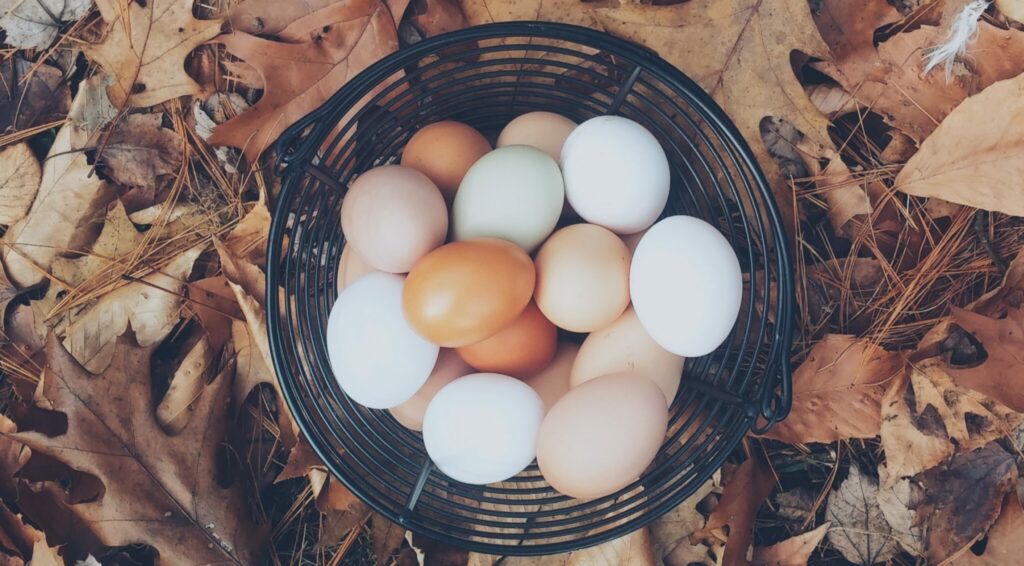
Unwashed farm fresh eggs can last for several weeks or even months if they are stored properly. The shelf life of an egg depends on a variety of factors, including the age of the egg, the storage conditions, and the handling of the egg. Here are some key factors that can affect the shelf life of unwashed farm fresh eggs:
- Age of the egg: The older an egg is, the more likely it is to spoil. Fresh eggs have a tighter, firmer egg white and a higher yolk that stands up tall. If you crack an egg into a bowl and the yolk breaks easily and the egg white spreads out, it’s not as fresh as one that stands up tall with a thick white. While fresh eggs can last for several weeks when stored properly, older eggs should be used up more quickly.
- Storage temperature: Eggs should be stored at a consistent temperature between 33-40°F to prevent bacterial growth. Temperatures above 40°F can cause eggs to spoil more quickly, while temperatures below 33°F can freeze the eggs, which can damage the quality of the egg.
- Humidity: High humidity can cause eggs to spoil more quickly by creating conditions that are favorable for bacterial growth. Eggs should be stored in a cool, dry place to prevent moisture from accumulating on the shell.
- Handling: The way that eggs are handled can affect their shelf life. Eggs should be handled gently to prevent cracking, which can allow bacteria to enter the egg. Eggs should also be stored in a container with enough space between them to prevent them from touching, which can cause damage to the shell.
- Washing: When an egg is laid, it is coated in a protective layer called the cuticle, which helps to prevent bacteria and other contaminants from entering the egg. Washing the egg can remove this protective coating, which can make the egg more susceptible to spoilage. If the eggs are going to be washed, it is best to do so immediately before use and to use warm water that is at least 20°F warmer than the egg.
Given these factors, unwashed farm fresh eggs can last for several weeks or even months when stored properly. In general, the shelf life of unwashed eggs is longer than that of washed eggs because the protective coating on the shell helps to prevent the entry of bacteria and other contaminants. Some sources suggest that unwashed farm fresh eggs can last for up to 12 weeks when stored at a consistent temperature between 33-40°F and handled gently.
However, it is important to note that the shelf life of unwashed farm fresh eggs can vary depending on the specific conditions in which they are stored and the age of the egg. To ensure the safety and quality of the eggs, it is recommended that you use your best judgement and carefully inspect the eggs before use. Discard any eggs that have cracks or unusual odors, and be sure to cook the eggs thoroughly to kill any bacteria that may be present
In conclusion, storing unwashed farm fresh eggs in a cool and humid environment, handling them carefully, and storing them with the pointed end facing downwards can help to extend their shelf life. Even as eggs age, they can still be safe to eat if stored correctly.